The Smooth Beginning
Long before golf became a science, it was just a game of rhythm and wind.
In the early days of the sport — the 14th and 15th centuries — golfers struck smooth, hand-carved wooden balls across the misty fields of Scotland.
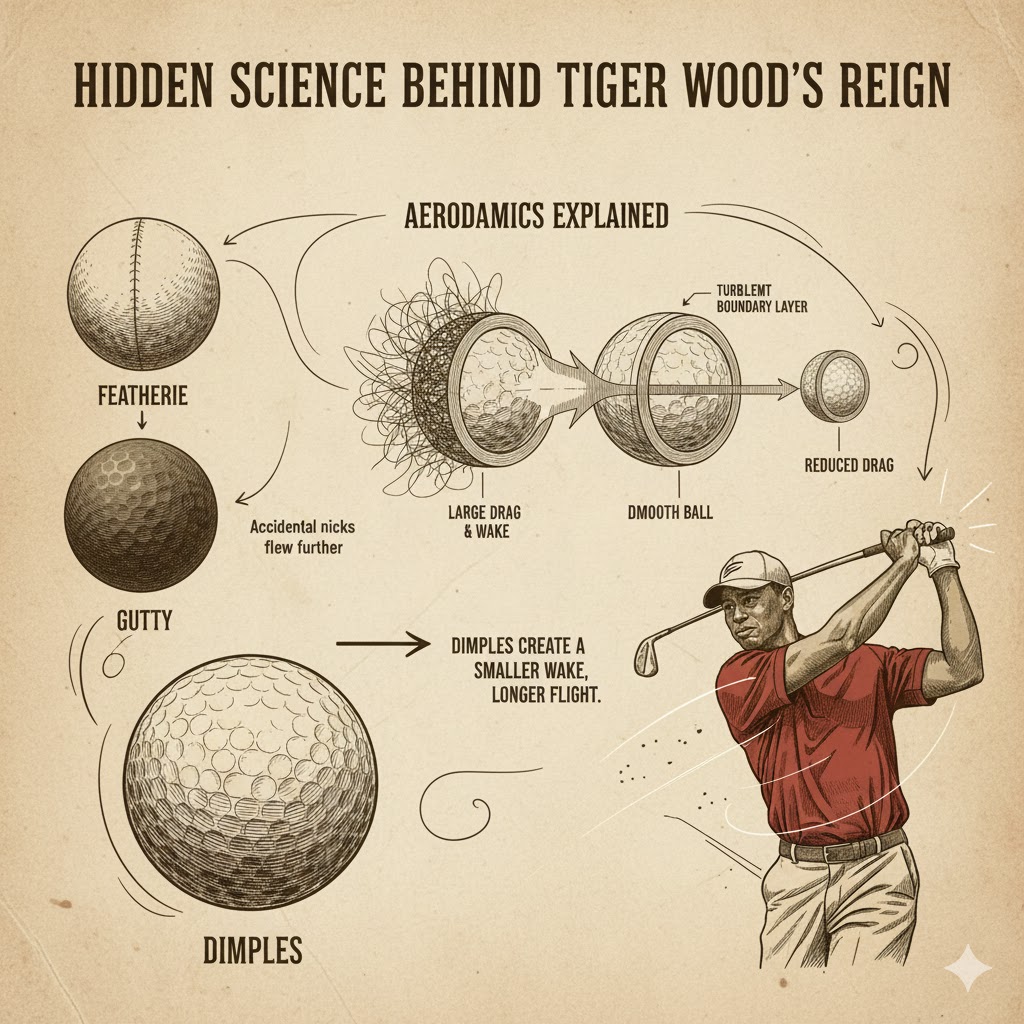
They called them featheries — leather pouches stuffed with goose feathers, stitched tight and painted white.
Elegant, round… and completely unpredictable.
Every stroke was an act of faith.
The ball would soar high one moment, then dive suddenly, as if swallowed by the wind.
Golfers thought skill was everything —
but the wind, quietly, had other rules.

The Accident That Changed the Game
Years later, when the gutty ball was introduced — made from the rubbery sap of the Gutta-percha tree — golfers began to notice something strange.
The brand-new, smooth gutta balls flew poorly.
But after a few rounds — after the surface was scuffed, scratched, and dented — they suddenly flew better.
They went farther. Straighter. Truer.
What golfers thought were imperfections were actually improvements.
Players began to intentionally nick, carve, and hammer their balls before a match.
They didn’t know why it worked — only that the damaged balls flew better.
Sometimes, progress begins not in the lab… but in the dirt.


The Science of the Scratch
When engineers and physicists later studied this mystery, they uncovered something profound —
that the dimples weren’t just lucky flaws; they were aerodynamic miracles.
Here’s what happens:
A smooth ball moving through air creates a large wake — a low-pressure zone behind it.
That wake drags the ball backward, slowing it down.

But a dimpled ball does something clever.
The tiny cavities trip the airflow — turning the smooth, laminar layer of air into a thin turbulent boundary layer.
Turbulence, though chaotic, helps the air stick longer to the surface of the ball.
The wake behind it becomes smaller.
The drag drops dramatically.
Result:
The same ball, same mass, same energy — now flies twice as far.
The scars became science.

The Beauty of Turbulence
It’s poetic, really.
The thing we call “imperfection” — turbulence, roughness, chaos — is what gives flight its grace.
Golfers had discovered what nature already knew.
Birds, with their feathers ruffling and swirling air;
sharks, with microscopic riblets on their skin;
and seeds, with patterned shells —
all use surface texture to dance with drag instead of fighting it.
The golf ball became humanity’s smallest aerodynamic teacher.

When Engineers Took Note
By the early 1900s, the “dimpled revolution” was unstoppable.
Manufacturers began experimenting with patterns, spacing, and depths —
turning the golf ball into a laboratory of aerodynamic optimization.
And then, engineers started asking:
“If a golf ball flies better with dimples… what else might?”
That question led to rippled aircraft surfaces, dimpled car designs, rugby balls, and even space capsules using surface texturing to manage drag.
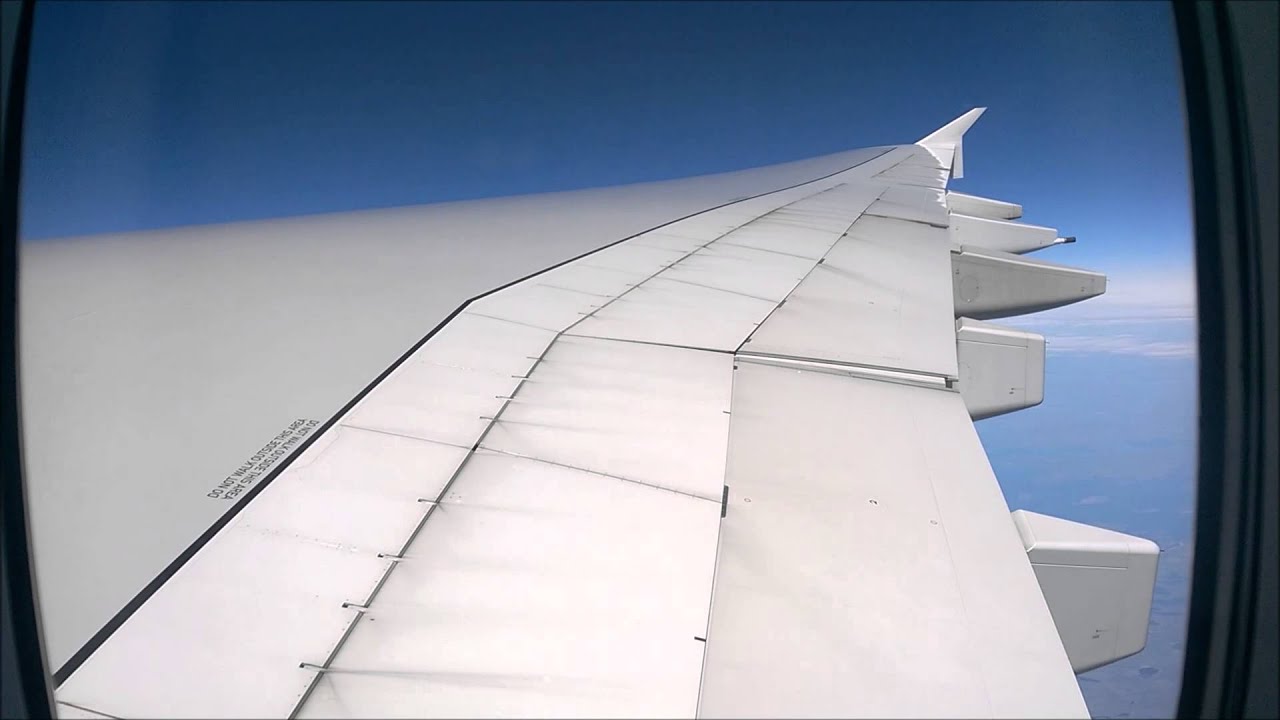
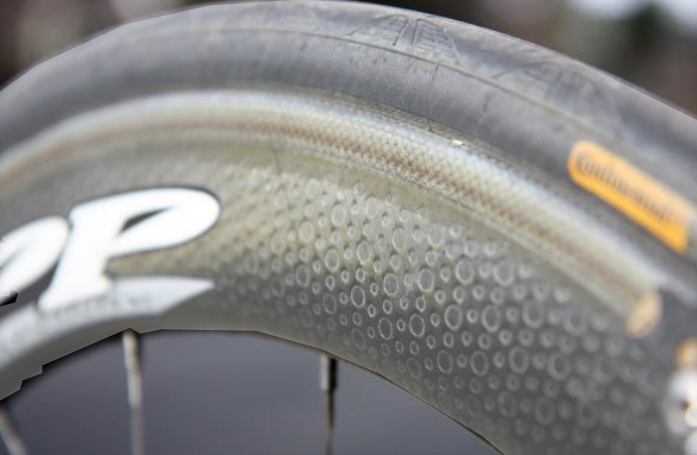
The humble golf ball had sparked an aerodynamic philosophy:
Sometimes, chaos is the shape of control.
The Lesson Hidden in the Dimples
Today, a golf ball’s dimples are designed with obsessive precision —
about 300 to 500 of them, each carefully shaped to manage lift and drag.
But the deeper lesson remains the same as it was centuries ago:
that roughness can refine, and imperfection can perfect.
The golf ball doesn’t glide despite its scars.
It glides because of them.

At Kousain, we believe that great engineering isn’t about making things perfect — it’s about understanding the imperfections that make them fly.
From aerodynamic shells to curved structures,
from bridges that breathe with the wind to towers that bend instead of break —
we follow the same lesson the dimpled ball taught the world:
Don’t fight the flow. Shape it.