The Morning Istanbul Looked Up
On a quiet morning sometime in the 1630s, the people of Istanbul gathered by the Golden Horn as a rumor rippled through the city like a gust of wind:
“A man will jump from Galata Tower today… and he will fly.”
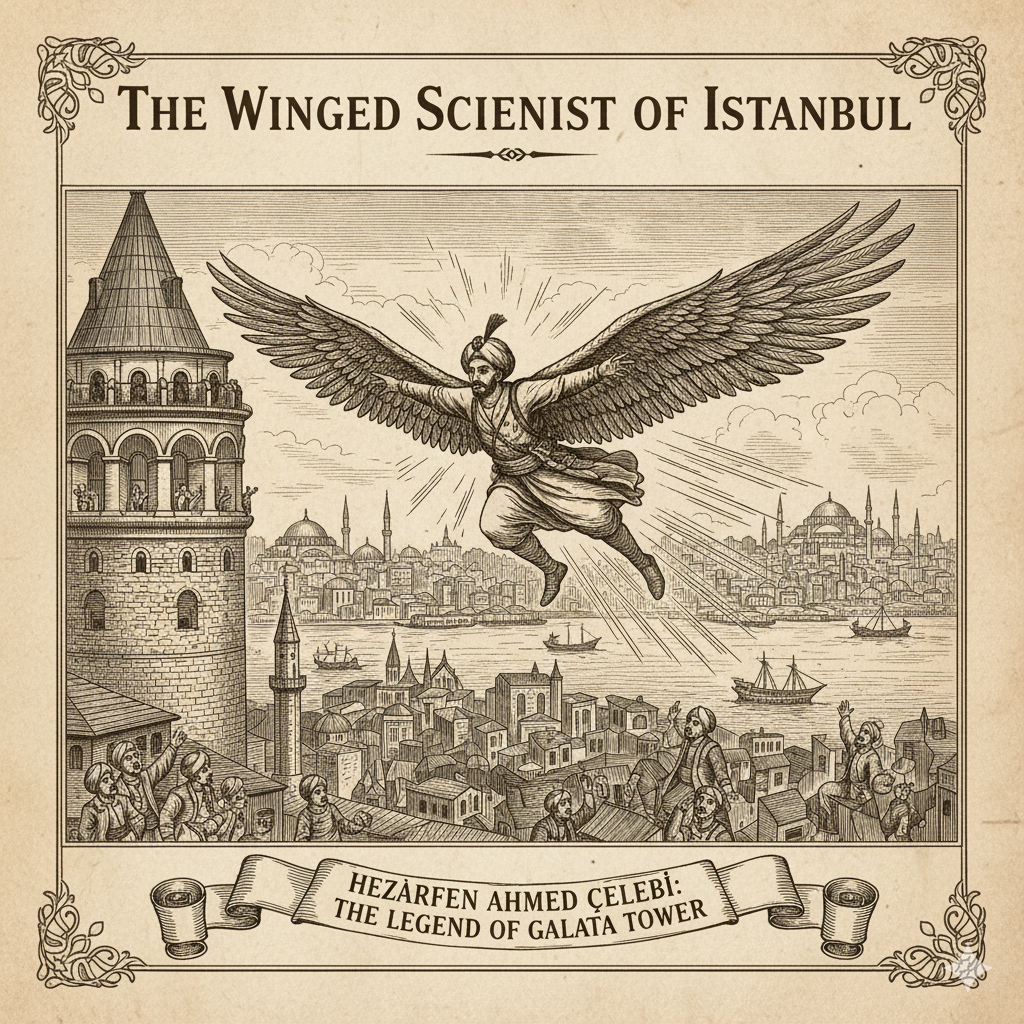
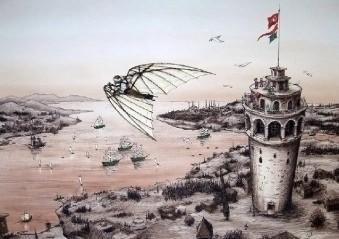
Hezarfen Ahmed Çelebi —scholar, polymath, dreamer —
stood on the tower’s balcony with wooden-wing structures strapped to his arms,
looking not terrified but calm,
as if he were studying an equation.
His friends begged him to climb down.
The crowd below begged him not to try.
But Hezarfen wasn’t listening to fear.
He was listening to the wind.
Because this wasn’t madness.
It was engineering.
And he had spent his life preparing for it.
The Engineer Disguised as a Legend
Hezarfen Ahmed Çelebi is remembered as a folkloric character —
the man who “flew like a bird.”
But beneath the myth sits a shockingly scientific mind:
- He studied the flight of eagles and vultures.
- He recorded wind speeds around Istanbul.
- He built wing profiles based on surface area vs. body mass.
- He tested his devices on slopes before ever climbing the tower.
- He analyzed the Bosphorus winds long before meteorology existed.
This was not random experimentation.
This was biomimicry + aerodynamics + structural design in a world that didn’t have words for them yet.
And that brings us to the critical question:
Why choose Galata Tower?
Galata Tower: The Only Runway in 17th-Century Istanbul
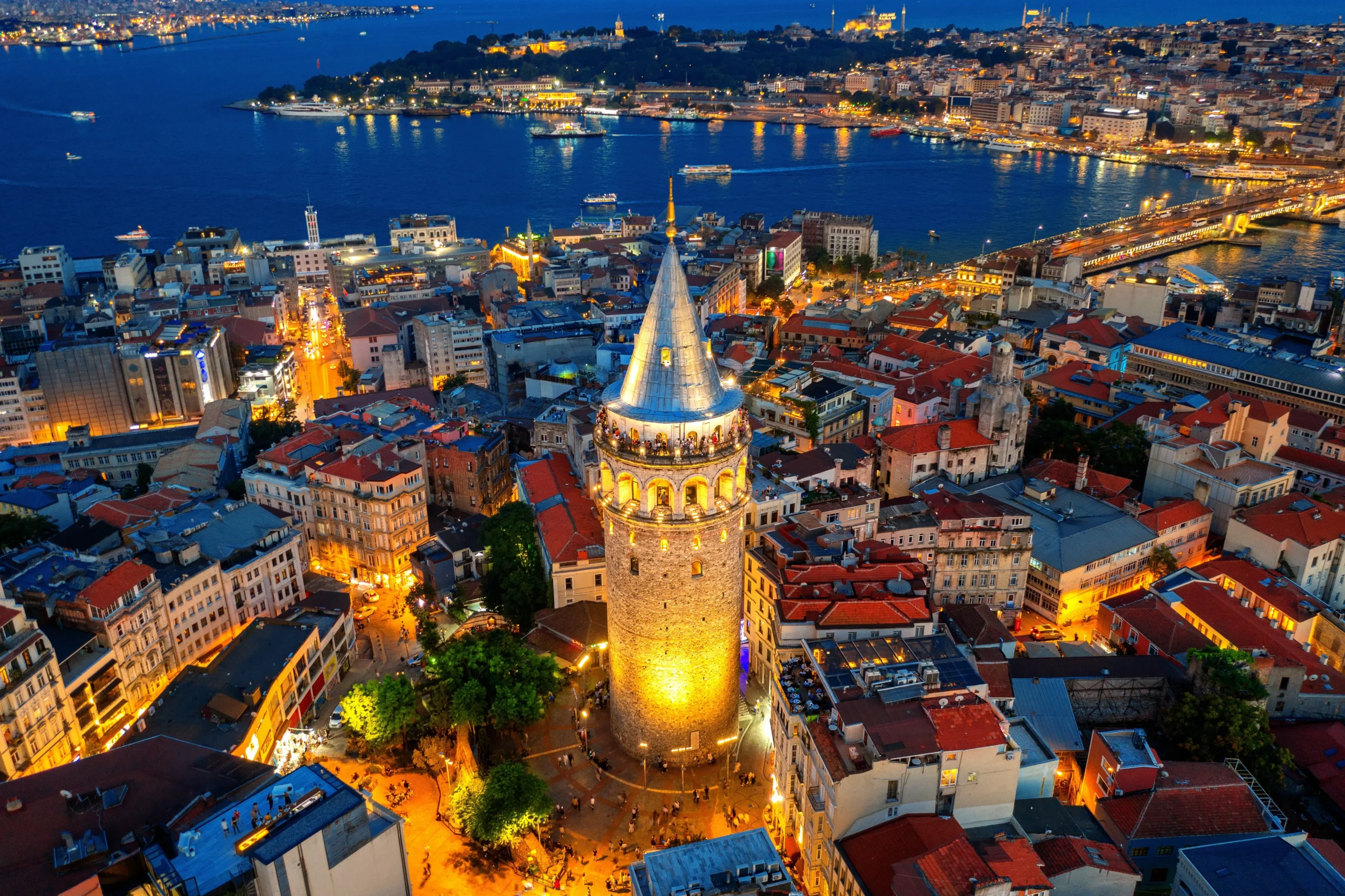
Galata Tower is not simply tall.
It is a perfect launch site by engineering standards.
Here’s why:
1. Elevation for Glide Ratio
At 67 meters high, it gives:
- enough initial potential energy
- long enough drop to stabilize wings
- room to test lift before stalling
For a human-crafted wing, anything lower would be suicidal.
2. Location Above Turbulence
The tower rises above the chaotic roof-level air
and sits in the clean layer where laminar wind flows.
Engineers today call this:
“the urban boundary layer transition.”
Hezarfen had no vocabulary for it —
but he knew exactly where smooth wind lived.
3. The Bosphorus Wind Corridor
This is the real secret.
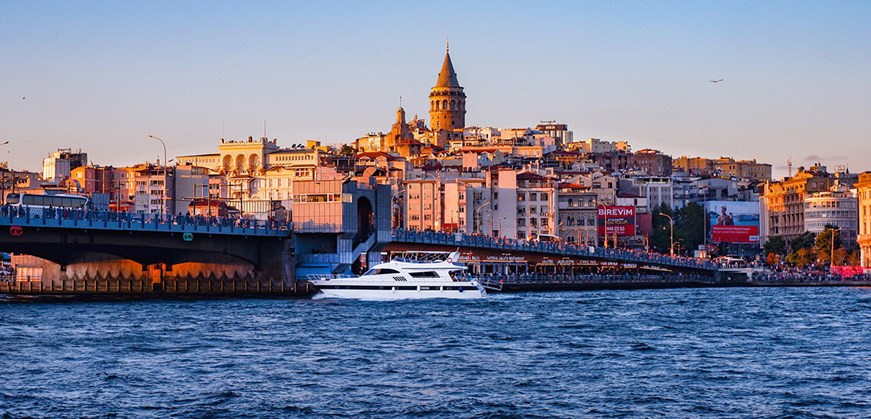
The Bosphorus acts like a natural wind tunnel:
- cooler Black Sea air rushes south
- warmer Marmara air rushes north
- pressure gradients accelerate flow
- crosswinds stabilize around midday
It is the same principle that modern paraglider sites use —
ascending air, smooth flow, consistent direction.
Galata Tower sits right on the edge of this invisible runway.
Hezarfen chose physics, not poetry.
The Wings Themselves — A Structural Guess or a Calculated Design?
Evliya Çelebi, the Ottoman chronicler, described Hezarfen’s wings as:
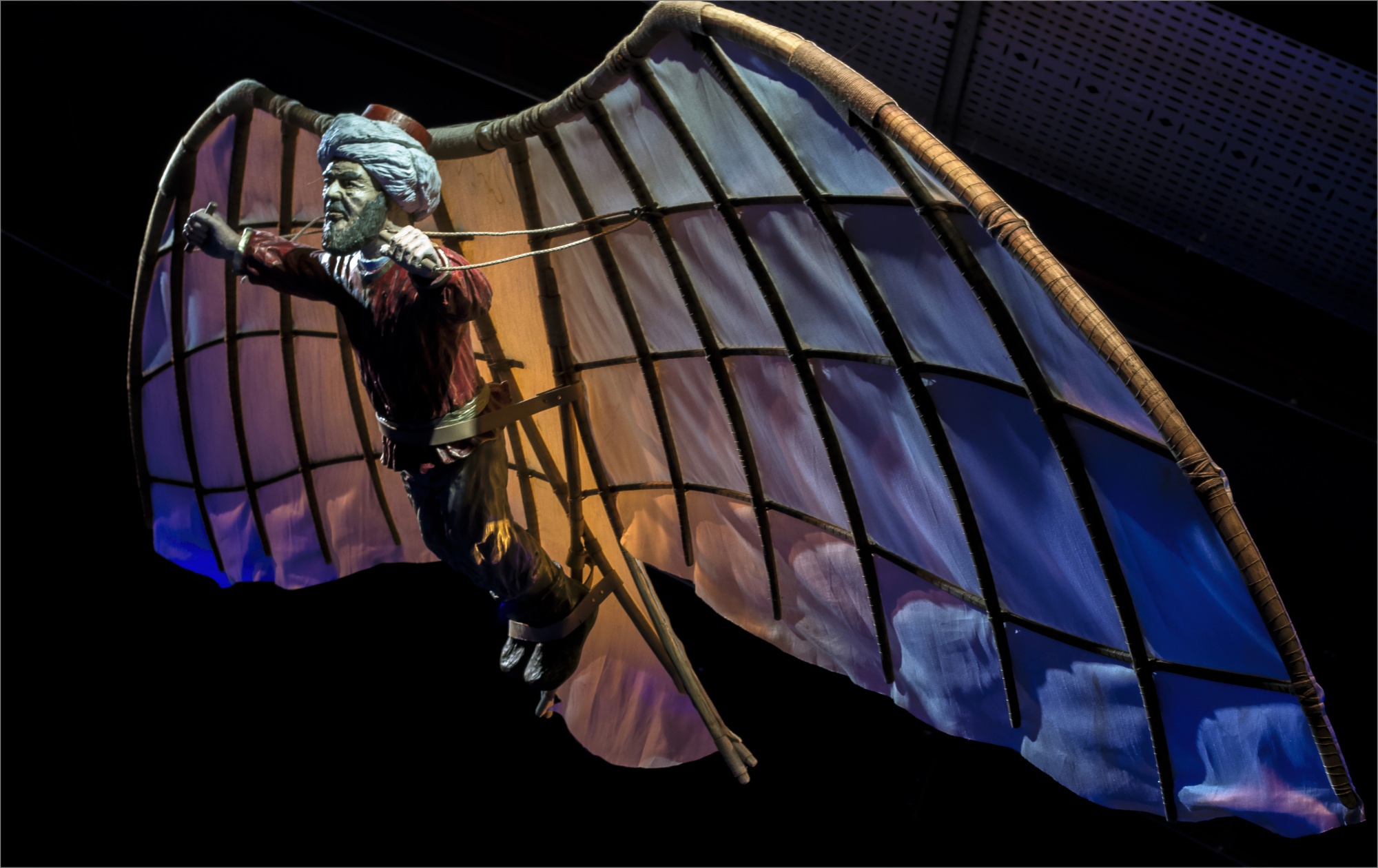
“Wooden frames covered with eagle feathers.”
But engineering historians believe:
- The frames likely used willow (flexible, light, high yield strain)
- The feathers were layered for vortex stability
- The wings had a cambered profile mimicking birds
Modern glider experts estimate he achieved a lift-to-weight ratio barely sufficient for human gliding —
but not impossible given the winds around Galata.
He may not have had equations,
but he had empirical testing —
and nature as his teacher.
The Leap
The moment he stepped off Galata Tower,
Istanbul held its breath.
Witnesses wrote:
“For a moment he did not fall, but drifted…
then glided across the Bosphorus wind
like a great bird.”
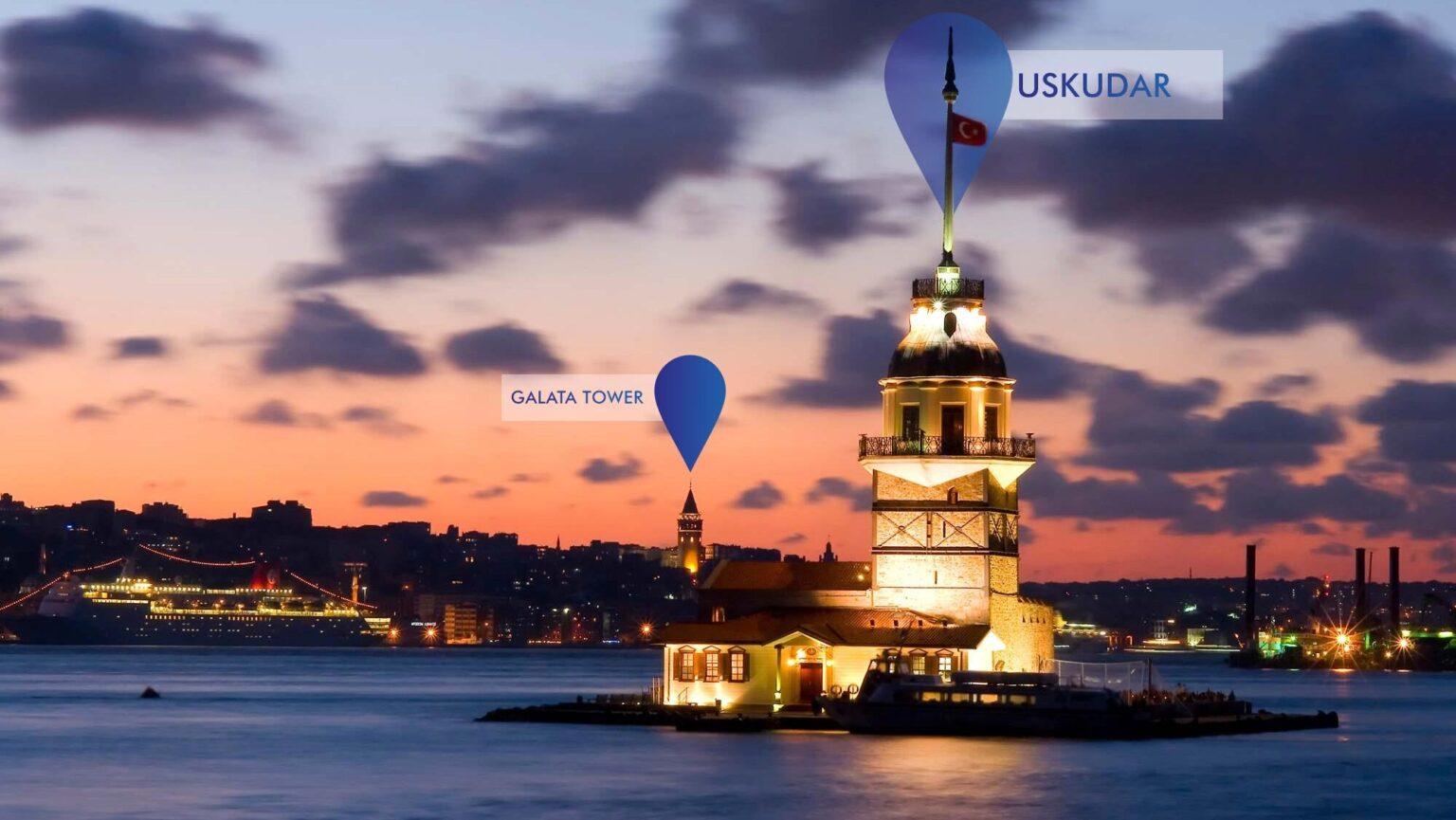
According to legend, he landed in Üsküdar —
roughly 3 kilometers away —
after a controlled glide.
Even modern aerodynamicists admit:
the Bosphorus winds could carry a human glider across.
Whether he reached the Asian shore or landed partway,
the essential truth is this:
He controlled flight long enough to descend safely.
Not a myth.
Not magic.
A machine interacting with wind.
That is engineering.
The Aftermath: Genius Meets Power
Sultan Murad IV was stunned.
He rewarded Hezarfen with a sack of gold,
called him the “Hezarfen — the thousand sciences,”
and then — fearing such minds —
banished him to Algeria.
Because even in the 1600s,
science terrified those who could not control it.
Hezarfen Ahmed Çelebi died in exile.
But his flight lived.
Galata Tower: The Engineering Behind the Miracle
Only now, after telling the flight,
do we turn to the stone that made it possible.
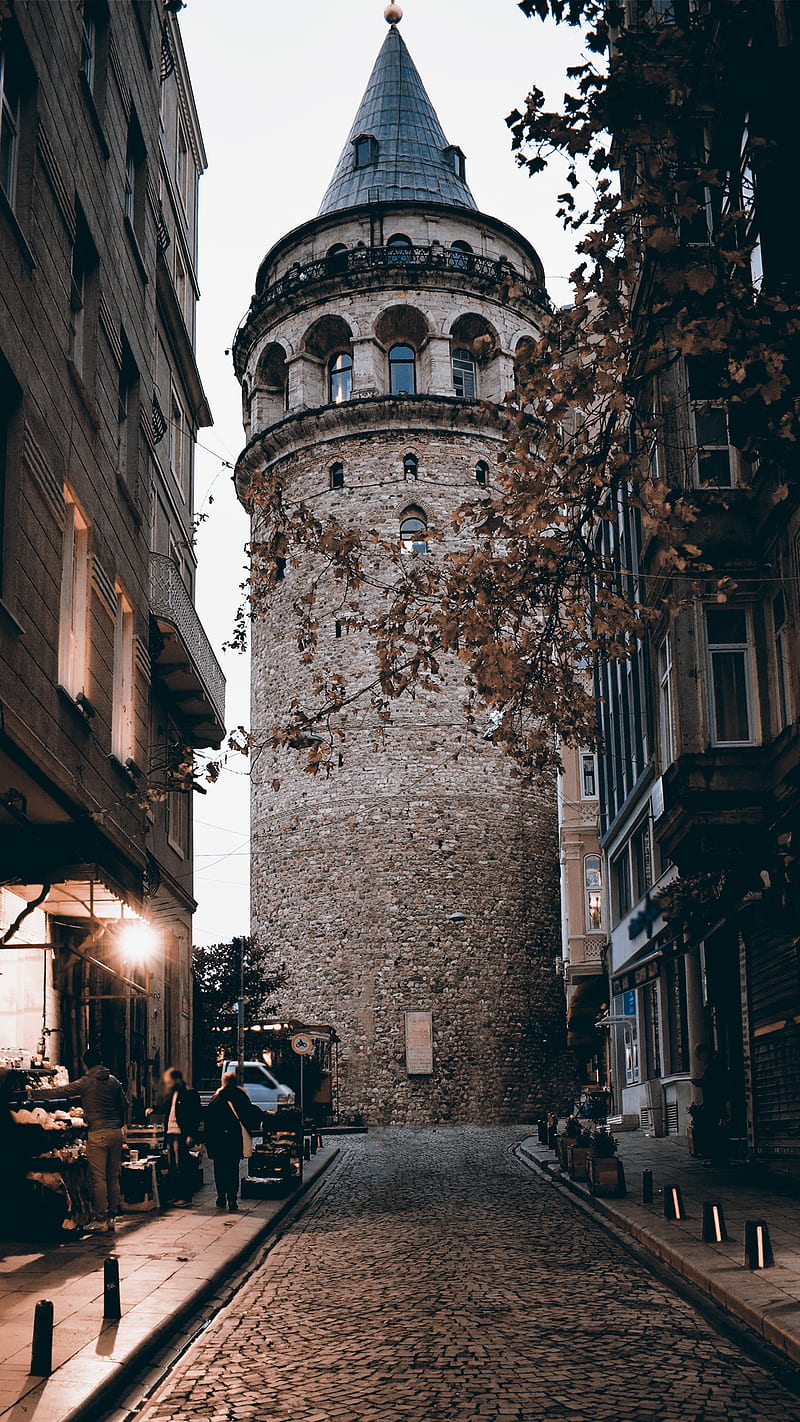
Galata Tower is a natural engineering marvel:
- Circular shell distributing lateral loads
- Stone compression core resisting earthquakes
- Thick walls acting as a stiffness ring
- Aerodynamic taper reducing vortex shedding
- Positioned directly into the Bosphorus wind corridor
- Foundation anchored into hard bedrock
It is a structure built to resist:
- earthquakes
- fire
- wind
- siege
- and time itself
A tower so structurally sound
that even a man with wings trusted it with his life.
What Engineers Learn From Hezarfen
Hezarfen teaches us:
- observe nature
- trust data
- test prototypes
- choose your site carefully
- treat wind as a partner, not an enemy
- and understand that every structure is part of a bigger environmental system
He didn’t defy physics.
He used physics.
He listened to the wind long enough to speak its language.
At Kousain, We Remember the Man who looked up.
We design structures in wind corridors,
load paths in stone,
and systems that breathe with the environment.
Hezarfen reminds us that engineering is not just formulas —
it is imagination with discipline,
courage with calculation.
He stepped from a tower.
And for a moment, the sky accepted him.
That moment belongs to engineers.