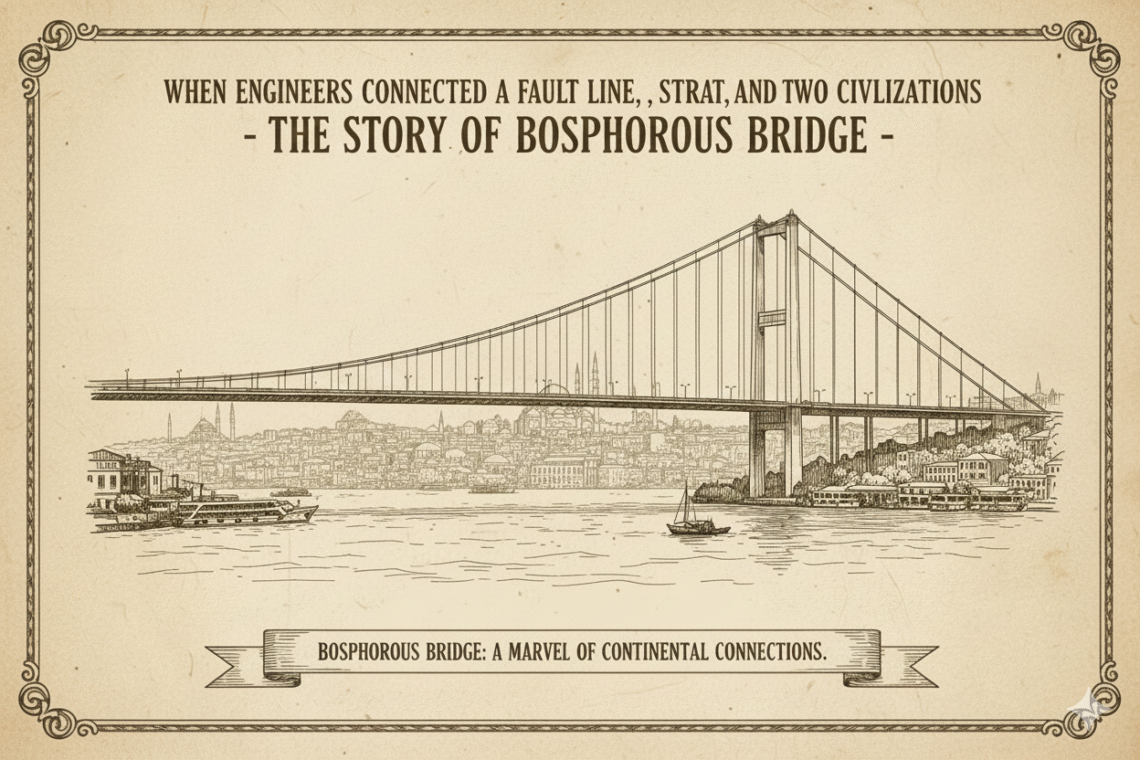
I. The Bridge That Didn’t Belong to the City’s Past—But Became Its Future
Istanbul is a city that teaches you about history before it teaches you anything else.
The first things you notice are never modern—
they are the shadows of empires.
Minarets rising like spears.
Domes shaped by centuries of mathematics and prayer.
Hills stacked with houses that look painted rather than built.
Streets that twist the way old stories do.
A skyline carved by the Ottomans, the Byzantines, and everything in between.
Nothing in Istanbul prepares you for straight lines.
Nothing prepares you for minimalism.
Nothing prepares you for steel.
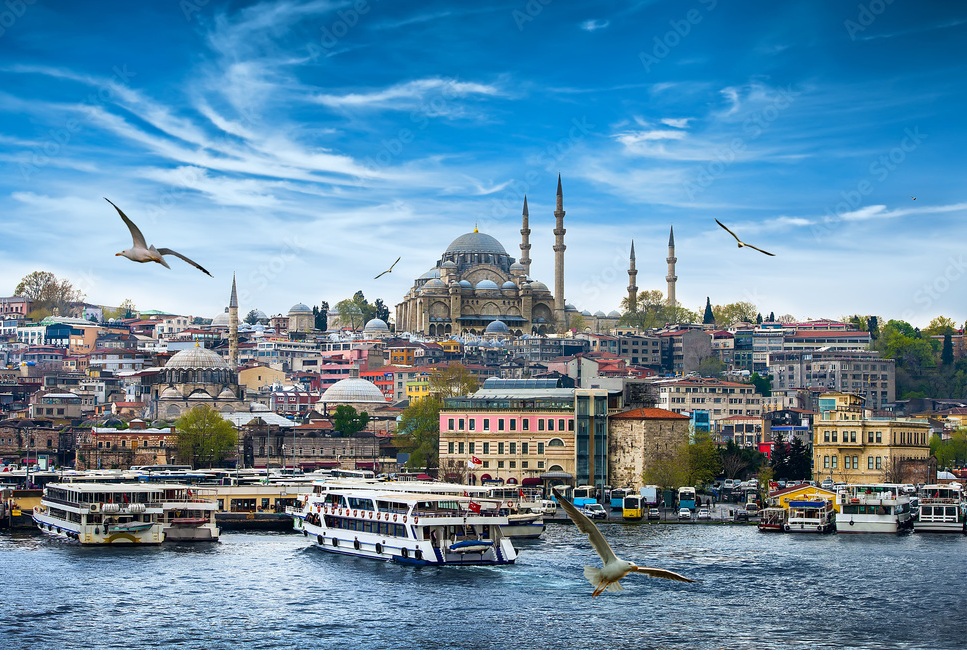
And maybe that’s why,
on 14th October 2025,
the Bosphorus Bridge felt like an interruption—
the most beautiful interruption I’ve ever seen.
I was crossing the water that morning,
looking at the city the way the Ottomans once did:
from ships, from sea, from distance.
Mosques crowned the hills.
Old stone walls traced the shore.
Ferries moved the way they’ve moved for a thousand years.
And then—
almost disrespectfully modern,
clean, thin, quiet—
a line of steel appeared across the sky.
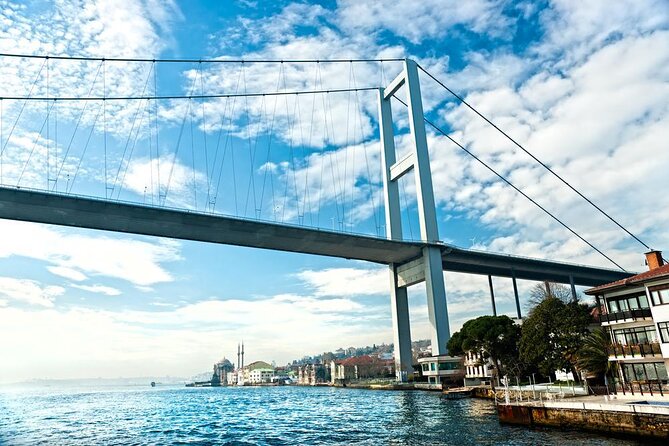
The Bosphorus Bridge.
A structure with no domes,
no calligraphy,
no arches,
no Ottoman curves.
Just two towers
and a cable curve so smooth
it felt like geometry challenging history.
It did not match Istanbul’s past.
And that contrast is exactly what made it powerful.
For centuries, the city built upward—
with stone, with weight, with tradition.
The Bosphorus Bridge did the opposite.
It built across.
It connected continents instead of decorating skylines.
It bent steel instead of carving marble.
It marked a new era, not an old one.
In a city shaped by sultans, architects, and empires,
this was the structure that belonged to the future.
And from the ferry that morning,
watching Europe and Asia held together by tension cables,
I understood something I hadn’t before:
Istanbul is a city built by history—
but the Bosphorus Bridge is the structure that finally carried it forward.
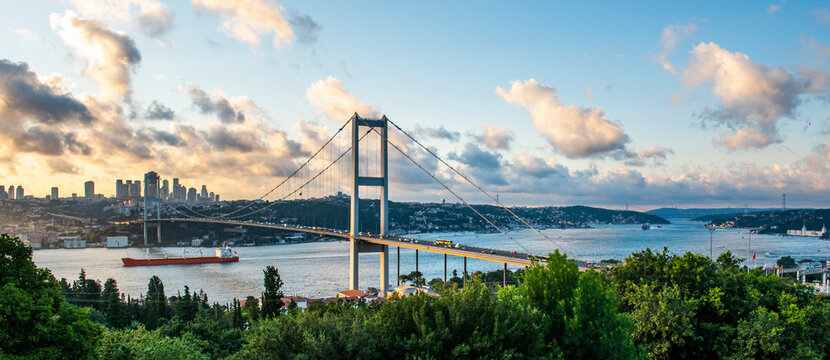
II. The Strait That Refused to Stay Still
To build the Bosphorus Bridge,
engineers first had to understand its enemy.
The Bosphorus is not just a waterway—
it is a living, unpredictable system.
- Surface currents rush from the Black Sea
- Deep countercurrents flow back toward the Mediterranean
- Winds slice across the strait without warning
- Humidity corrodes anything exposed
- Ships pass every few minutes
- And beneath it all lies the North Anatolian Fault,
one of the world’s most dangerous seismic lines
This is not where bridges are supposed to stand.
This is where bridges go to be humbled.
But Turkey chose this place
because impossible places create meaningful structures.
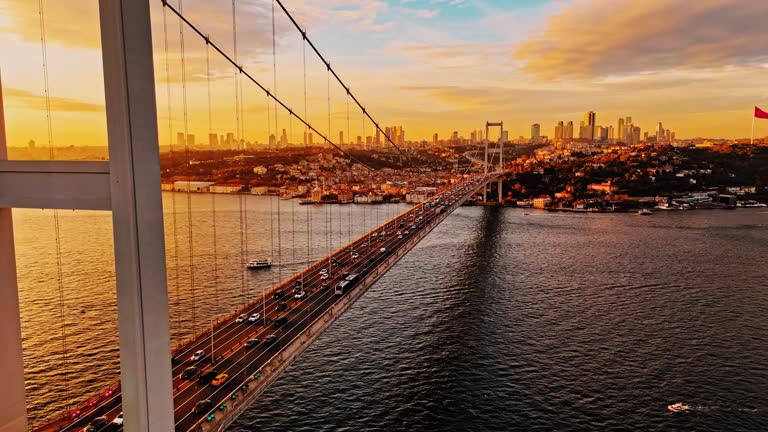
III. A Suspension Bridge Designed to Survive a City That Never Sleeps
When it opened in 1973,
the Bosphorus Bridge (now the 15 July Martyrs Bridge)
became one of the longest suspension spans in the world.
It was:
- 1,560 meters long
- 4th longest suspension bridge globally
- built in just three years
- connecting two continents that behave differently beneath their soil
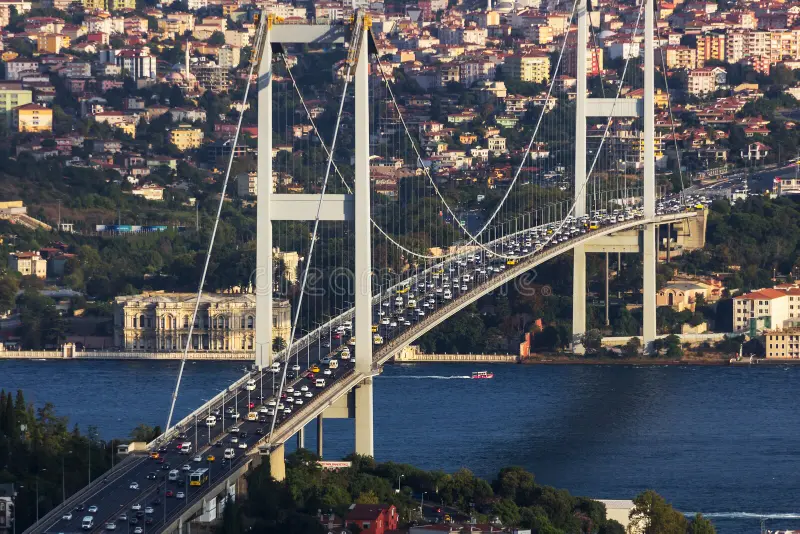
1. The Towers: 165-Meter Sculptures of Steel Logic
The bridge stands on two towers rising 165 meters high,
each engineered to:
- resist colossal bending moments
- accommodate dynamic wind loads
- absorb seismic movement without cracking
- distribute load to foundations buried deep into bedrock
They are not just towers.
They are anchors holding two continents in tension.
2. The Cables: Where 200,000 kN of Tension Lives
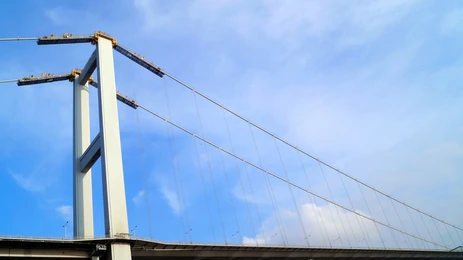
Suspension cables:
- carry tens of thousands of tons
- elongate by meters, not millimeters
- resist corrosion in a marine environment
- support a deck that can move in three directions
- were spun with microscopic precision
Each cable bundle contains thousands of steel wires,
each wire bearing more force than a small building.
Suspension bridges aren’t rigid.
They’re living, breathing structures.
IV. Wind: The Invisible Architect
Istanbul’s winds are not gentle breezes.
They can hit 70–90 km/h on ordinary days.
Airflow across the Bosphorus is:
- turbulent
- multidirectional
- shifting by the minute
If engineers got this wrong,
the bridge would twist like Tacoma Narrows in 1940.
They didn’t get it wrong.
They used:
- aerodynamic deck shaping
- stiffening trusses
- tuned natural frequencies
- wind tunnel tests uncommon in the 1970s
- torsional damping techniques
The result?
A bridge that bends
just enough
to stay alive.
V. Earthquakes: The Enemy Beneath
Suspension bridges are naturally good at earthquakes,
but Istanbul demands more.
The North Anatolian Fault has produced
quakes above 7.0 magnitude.
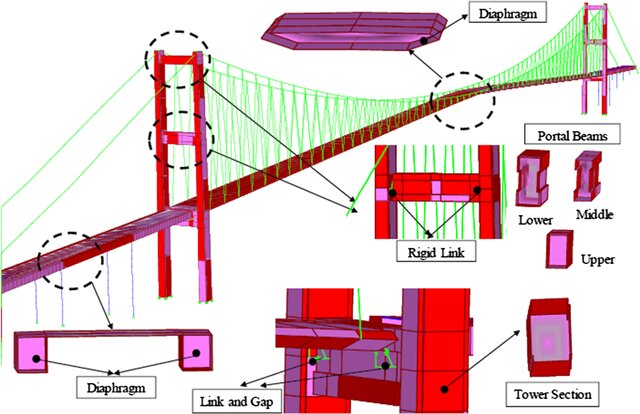
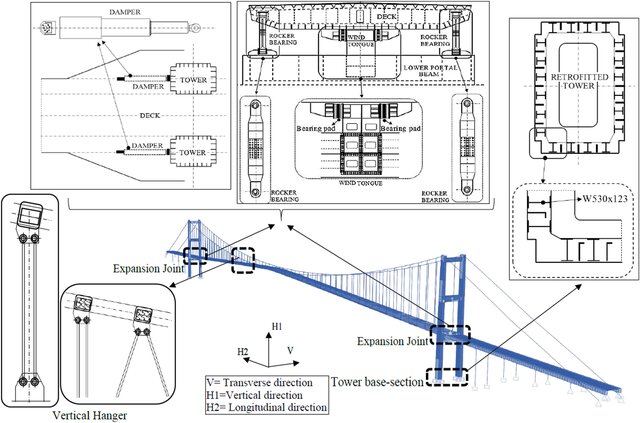
So engineers:
- designed flexible towers
- placed expansion joints allowing meters of movement
- ensured cables absorb energy like giant shock absorbers
- separated vibrational modes
- anchored foundations deep into two vastly different geologies
When Istanbul shakes,
the bridge doesn’t resist the motion.
It dances with it.
That’s why it survives.
VI. The Foundations That Hold Two Continents
Europe and Asia don’t share the same geology.
European side:
dense sandstone → ideal for deep anchorage.
Asian side:
layered, softer soils → required deeper caissons and more complex stabilization.
Two continents.
Two soils.
One structure.
Engineers had to respect both.
VII. The Day I Wanted to Walk Across Two Continents
Standing in Üsküdar,
watching cars disappear into Europe,
I felt a strange itch:
I wanted to walk across it.
To feel the deck move.
To hear the cables vibrate.
To walk from Asia to Europe
on a structure held together by tension.
I texted a Turkish friend asking if it was allowed.
She replied instantly:
“It’s Dangerous. Don’t do it.”
So I didn’t.
But the desire stayed—
because some structures don’t just stand there.
They call you.
VIII. The Bridge That Changed Istanbul Forever
The Bosphorus Bridge did more than connect continents.
It connected:
- economies
- neighbourhoods
- cultures
- eras
- and more importantly—
it connected Istanbul’s past with its future.
Before 1973, Istanbul ended at the water.
After 1973, it expanded across two worlds.
The bridge became the blueprint
for every mega-project Turkey built later:
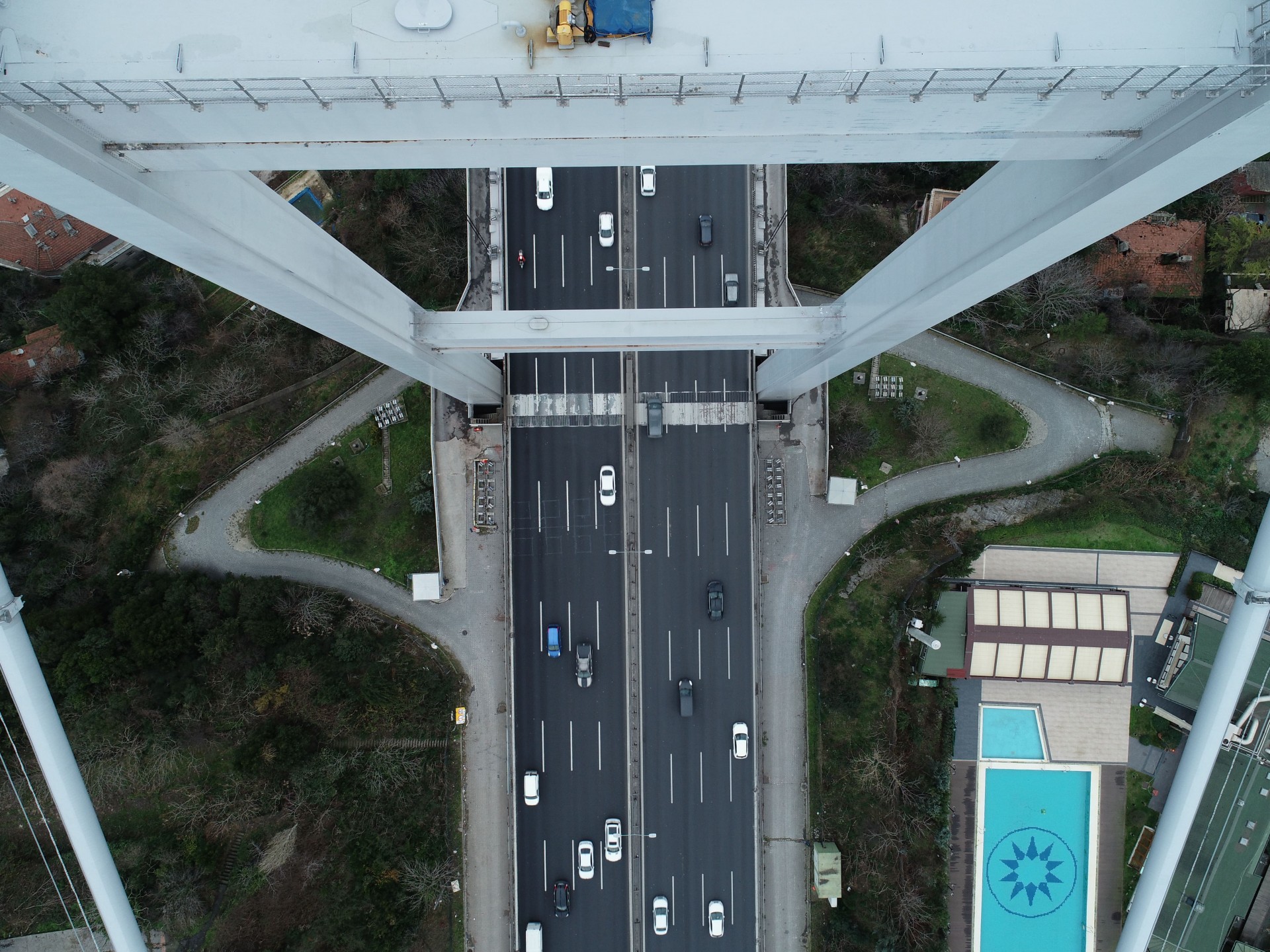
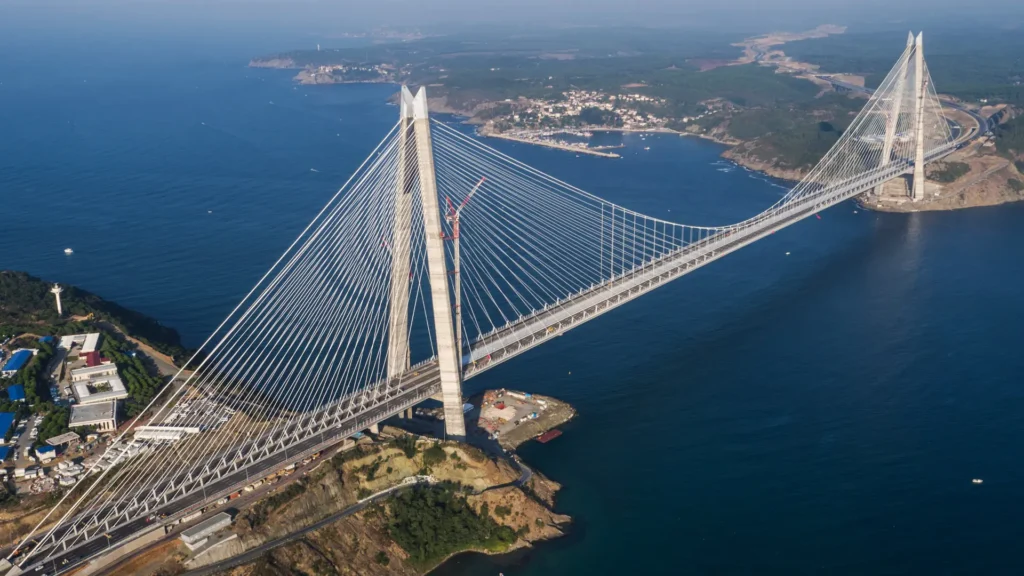
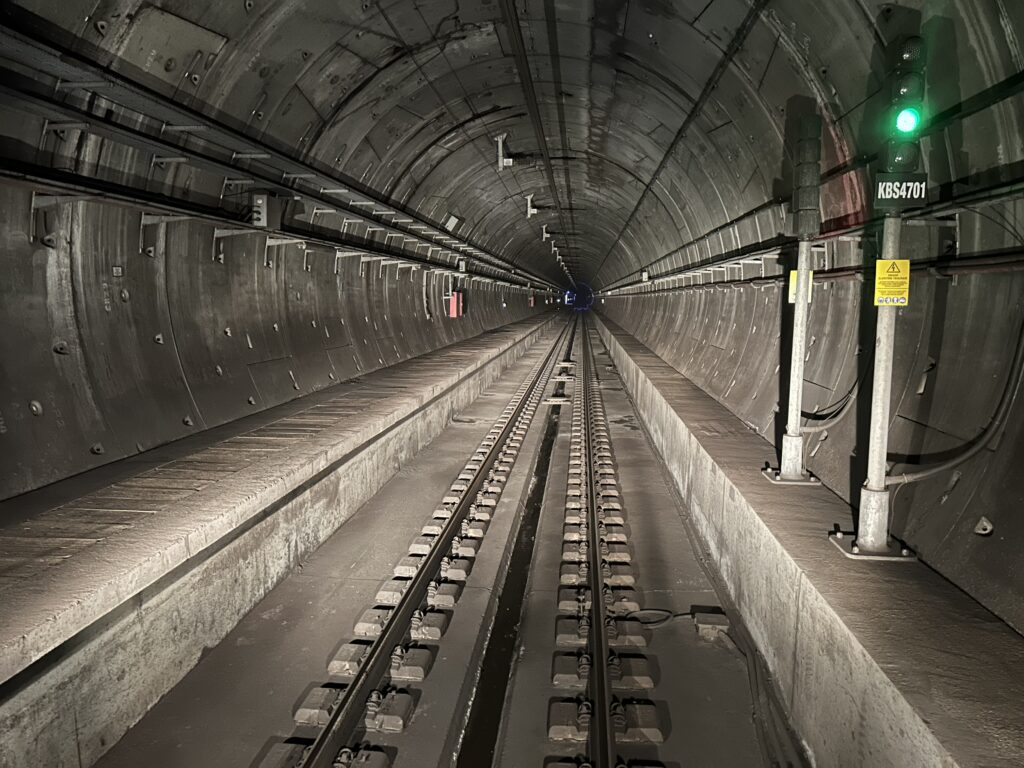
- Fatih Sultan Mehmet Bridge
- Yavuz Sultan Selim Bridge
- Marmaray Tunnel
- Eurasia Tunnel
A skyline shaped by empires
was suddenly reshaped by engineers.
IX. What This Bridge Taught Me as an Engineer
The Bosphorus Bridge changed the way I think about structures.
It taught me that:
Strength is not stiffness,
but controlled flexibility.
Bridges do not fight nature—
they negotiate with it.
Connecting worlds requires tension,
balance,
and humility.
And sometimes,
in a city full of monuments built from stone,
the most important one
is the line of steel that unites everything,
similar to what we do at Kousain