I. The Morning the Earth Forgot Mercy
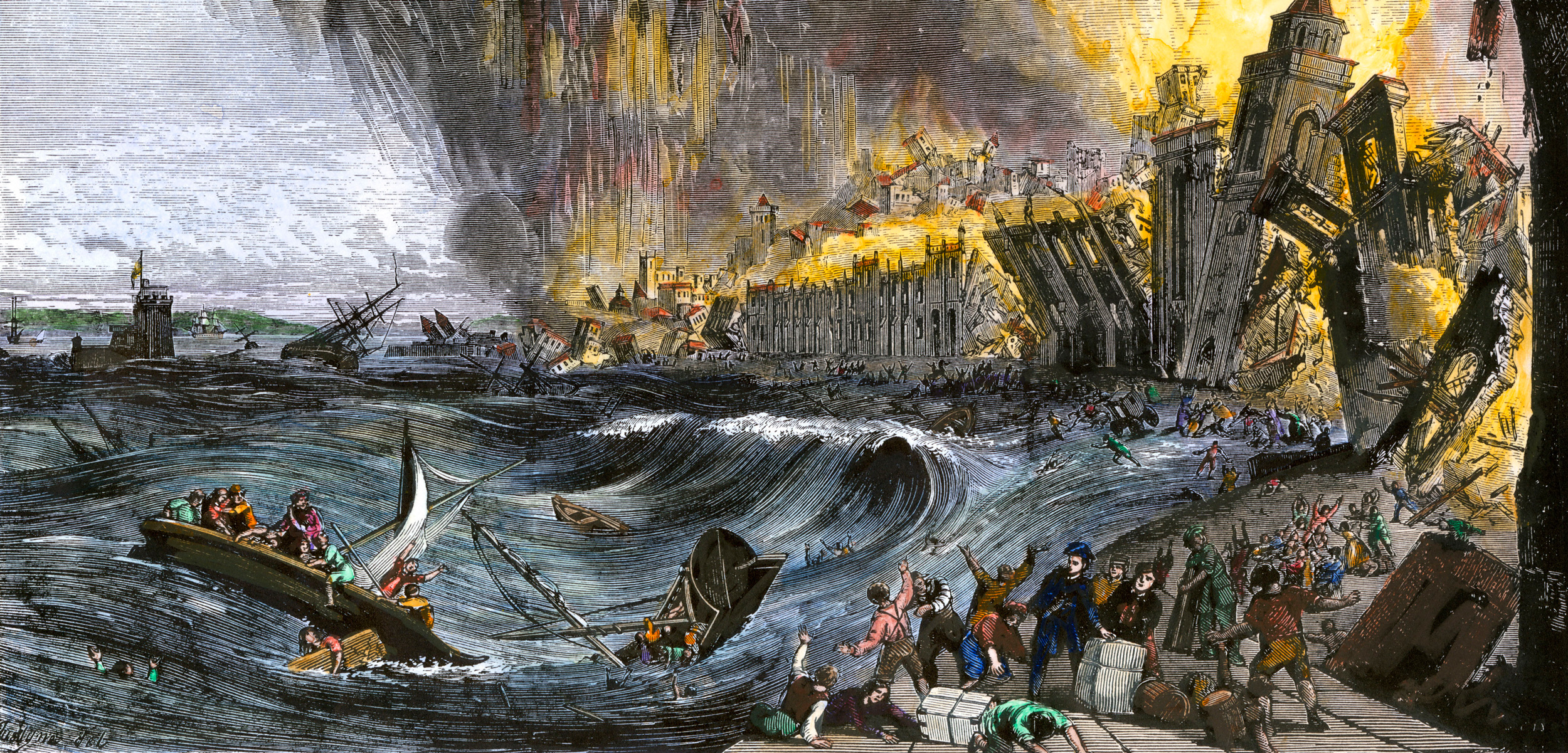
Lisbon woke up on 1 November 1755 — All Saints’ Day — expecting calm. Churches were full, candles and hearths lit, families gathered.
But beneath the Atlantic, at a tectonic fault more than 290 km away, the earth was storing centuries of pressure.
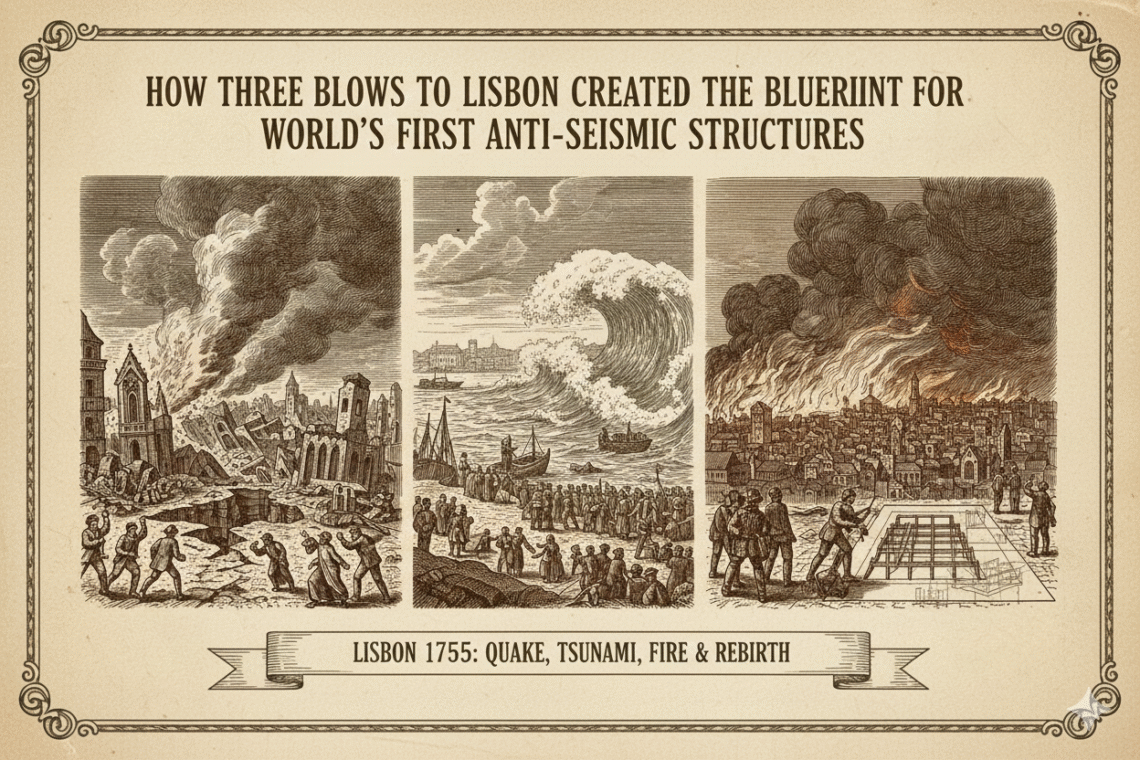
At about 09:40, the city was hit by a catastrophic quake — modern estimates place its magnitude between 8.5 and 9.0 on the moment magnitude scale.
The shaking lasted perhaps 3½ to 6 minutes — but that was enough. Churches collapsed during mass, homes crumbled, walls split open, the ground itself seemed to liquefy.
Within the hour, a tsunami struck the harbor — a wall of water up to 6 meters high surged inland.
Even before recovery could begin, fires — triggered by overturned candles, hearths and oil lamps — engulfed what remained. The city burned for days.
Death toll estimates vary widely — but historical accounts suggest 30,000 to 50,000 lives lost in Lisbon alone, with many more in surrounding regions.
Lisbon collapsed.
Not just physically, but spiritually. Carts of victims, ruins, fires, a city in ash.
Yet from that chaos, emerged one of the greatest leaps in structural engineering — not just rebuilt walls, but a new philosophy.
II. The Man Who Refused to Rebuild the Past
Most leaders would have panicked.
Most architects would have recreated the old city.
Most governments would have blamed fate.
But Lisbon had one man who thought differently:
Sebastião José de Carvalho e Melo
later known as the Marquis of Pombal.

He stood in the wreckage and said one sentence that changed history:
“Bury the dead and feed the living.”
And then:
“We rebuild not as Lisbon was…
but as Lisbon should have been.”
This wasn’t rebuilding.
This was reinvention.
And to do that, Pombal turned to engineers.
Not priests.
Not aristocrats.
Not artists.
Engineers.
Under his direction, Portugal’s first rational, engineering-driven reconstruction began — not a return to the past, but a leap into modernity.
III. Lisbon Becomes the World’s First Engineering Laboratory
Pombal understood what no European leader had understood before:
If the ground is the enemy,
you do not pray harder.
You build smarter.
He gathered military engineers, mathematicians, and carpenters,
and asked a single question:
“How do we build a civilization that survives motion?”
What they created next was two centuries ahead of its time.
IV. The World’s First Anti-Seismic Structural System – The Pombaline Cage:
Lisbon’s recovery was not a simple rebuilding.
It was transformation.
Engineers, carpenters, and masons were commissioned to rethink how buildings behave during earthquakes. Their answer:
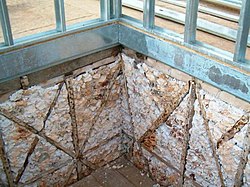
The Pombaline Cage (Gaiola Pombalina)
the first three-dimensional ductile earthquake-resistant frame in history.
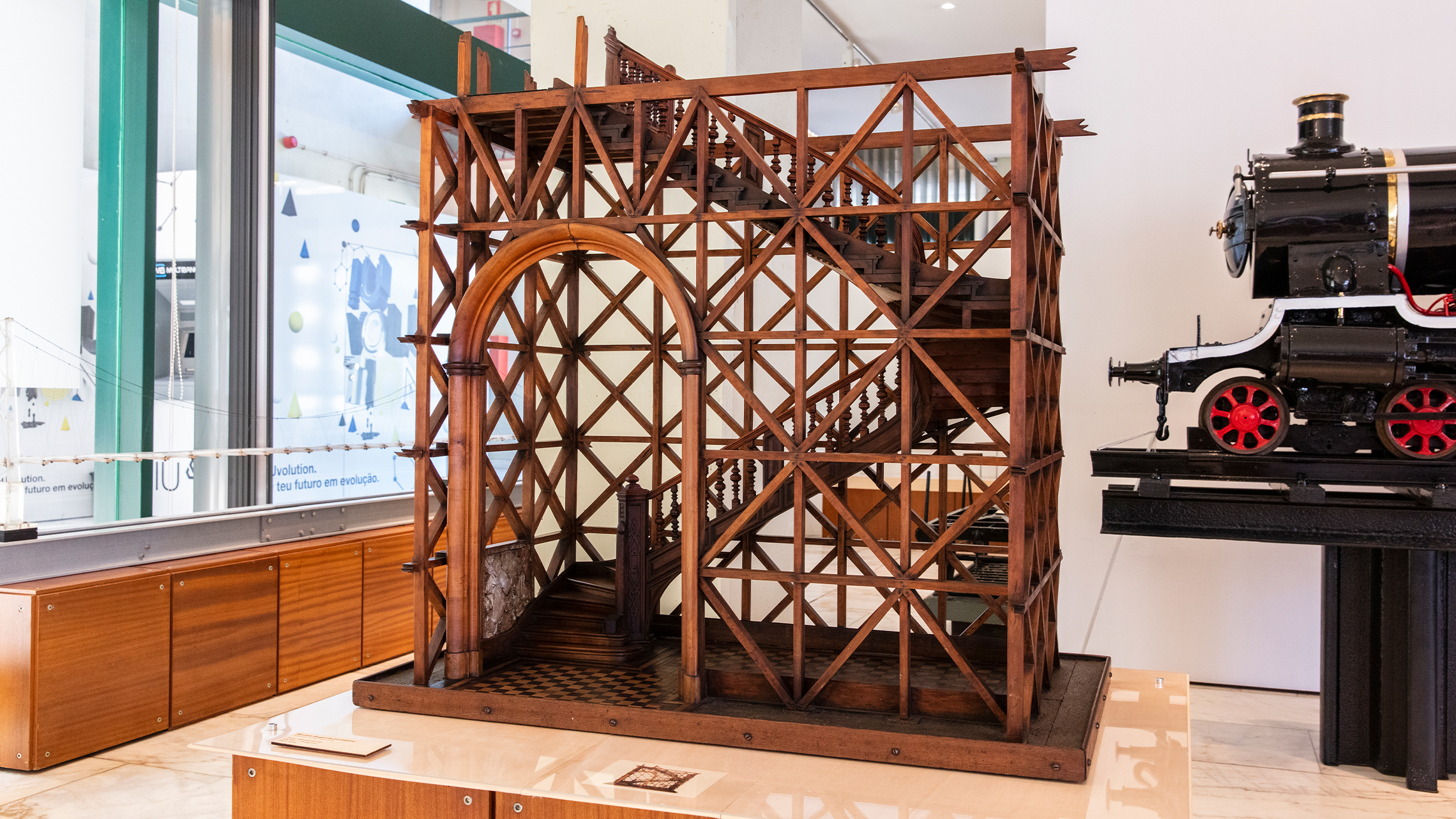
It looked simple:
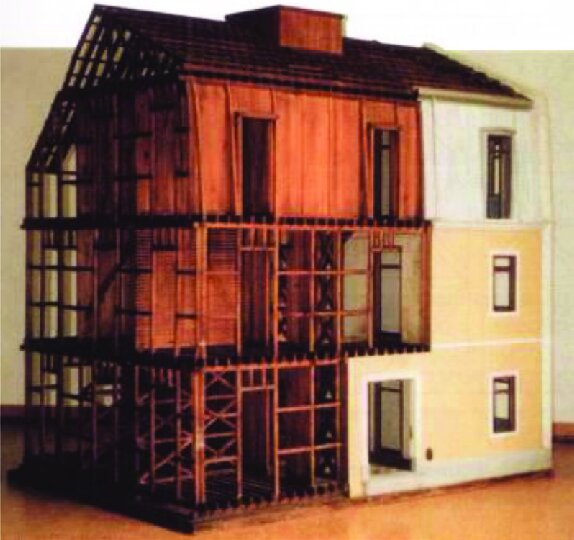
A lattice of interlocked wooden beams
weaving through masonry walls
like ribs inside a living structure.
But structurally, it was genius.
Why It Worked — Structural Engineering Breakdown
- Ductility:
The wooden frame could sway without breaking — absorbing seismic energy.
- Redundancy:
If one beam failed, loads redistributed through multiple pathways. - Diagonal Bracing:
Triangular geometry resisted lateral forces —
the same principle behind modern steel moment frames.
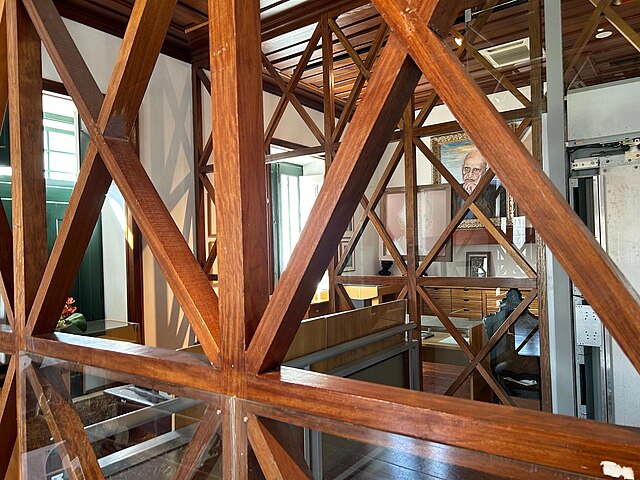
- Three-Dimensional Action:
Beams tied floors and walls together, preventing out-of-plane collapse.
- Confinement:
The cage stabilized brittle masonry, creating composite behaviour.
- Natural Damping:
Wood dissipated energy far better than stone.
Result: buildings that could sway rather than collapse.
In effect — the world’s first earthquake-resistant urban architecture.
Modern engineers look for ductility, redundancy, energy dissipation.
Lisbon had them all… in 1756.
V. The Earthquake Simulation That Shocked Europe
Pombal wasn’t satisfied with theory.
He demanded proof.
So Lisbon’s engineers conducted one of the first recorded
seismic simulation tests in human history.
How?
They built scale models of the Pombaline Cage…
and then ordered soldiers to march around them
in synchronized rhythm.
The rhythmic, synchronized force from the marching soldiers vibrated the structure, simulating horizontal seismic energy.
The ground shook.
The models swayed.
And the cages survived.
Europe called it madness.
But it was engineering science before engineering science existed.
VI. The Baixa District: The World’s First Seismically Planned City
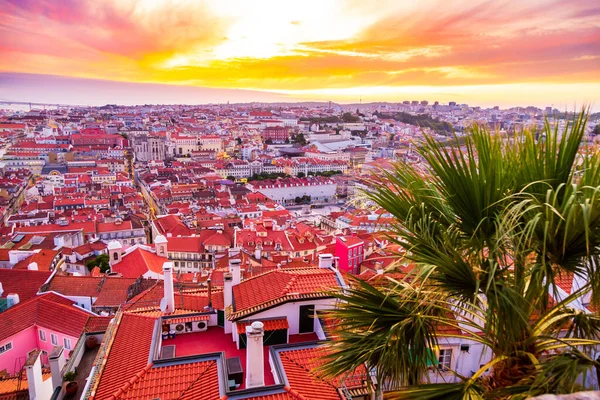
Lisbon’s downtown — Baixa Pombalina —
became the first urban area in the world designed with:
- anti-seismic building frames
- uniform street widths to prevent collapse cascades
- fire-resistant materials
- flexible timber floors
- regularized blocks for load predictability
- controlled building heights and slenderness ratios
This wasn’t just reconstruction.
This was the birth of modern structural engineering.
VII. The Quiet Genius of Masonry Vaults and Arches
Even the churches rebuilt after the quake
were engineered with improved vault geometry:
- lower rise-to-span ratios for stability
- thicker buttresses to absorb thrust
- stone ribs to guide compression lines
- lightweight infill to reduce mass
The vaults were not just beautiful.
They were equations.
Lisbon transformed tragedy
into a structural textbook made of stone.
VIII. What I Learned From a City That Survived Its Own Extinction
Lisbon taught me something
that no classroom ever had:
A structure is most honest when it is afraid.
Because fear forces innovation.
Fear forces engineering.
Fear forces us to rethink everything we believe about stability.
From the ashes of 1755, Lisbon’s engineers learned:
- stone is strong, but ductility saves lives
- beauty matters, but load paths matter more
- architecture can express faith, but engineering must express truth
- civilizations fall when the ground moves —
unless they learn to move with it
Lisbon is not a story of collapse.
It is a story of reinvention.
A city rebuilt not on stone,
but on engineering principles that the world would adopt
centuries later, as we do at Kousain