The City Where the Sun Chases You
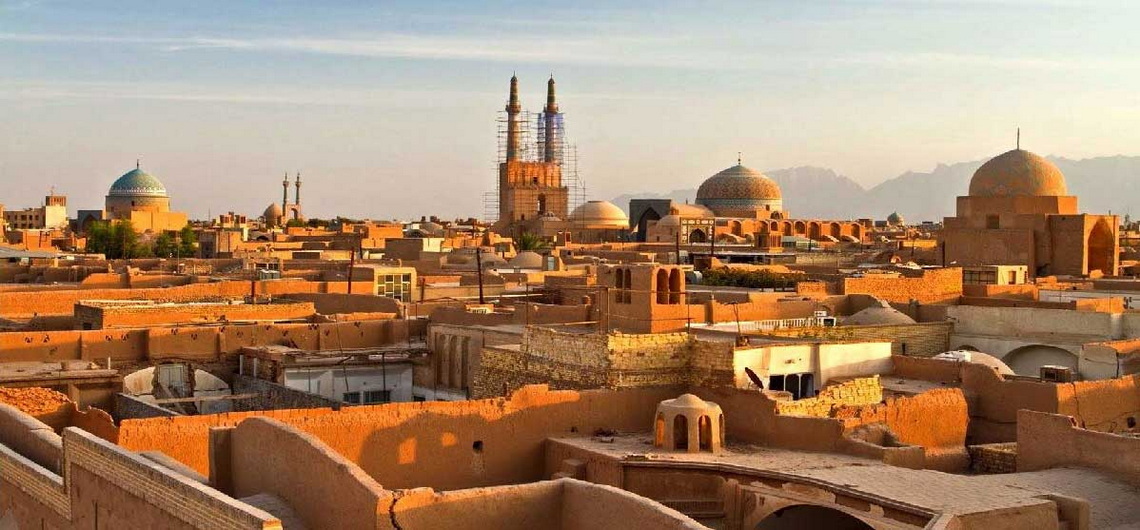
In Yazd, the sun is not gentle.
It hunts.
It stalks the sand-colored streets with a heat so dry it feels ancient.
Summer temperatures skim 50°C,
and humidity is barely a rumor.
Standing in the old city feels like standing inside a clay oven.
Yet the homes are cool.
Not modern-cool.
Not fan-cool.
But a strange, refreshing coolness like walking into a shaded cave.
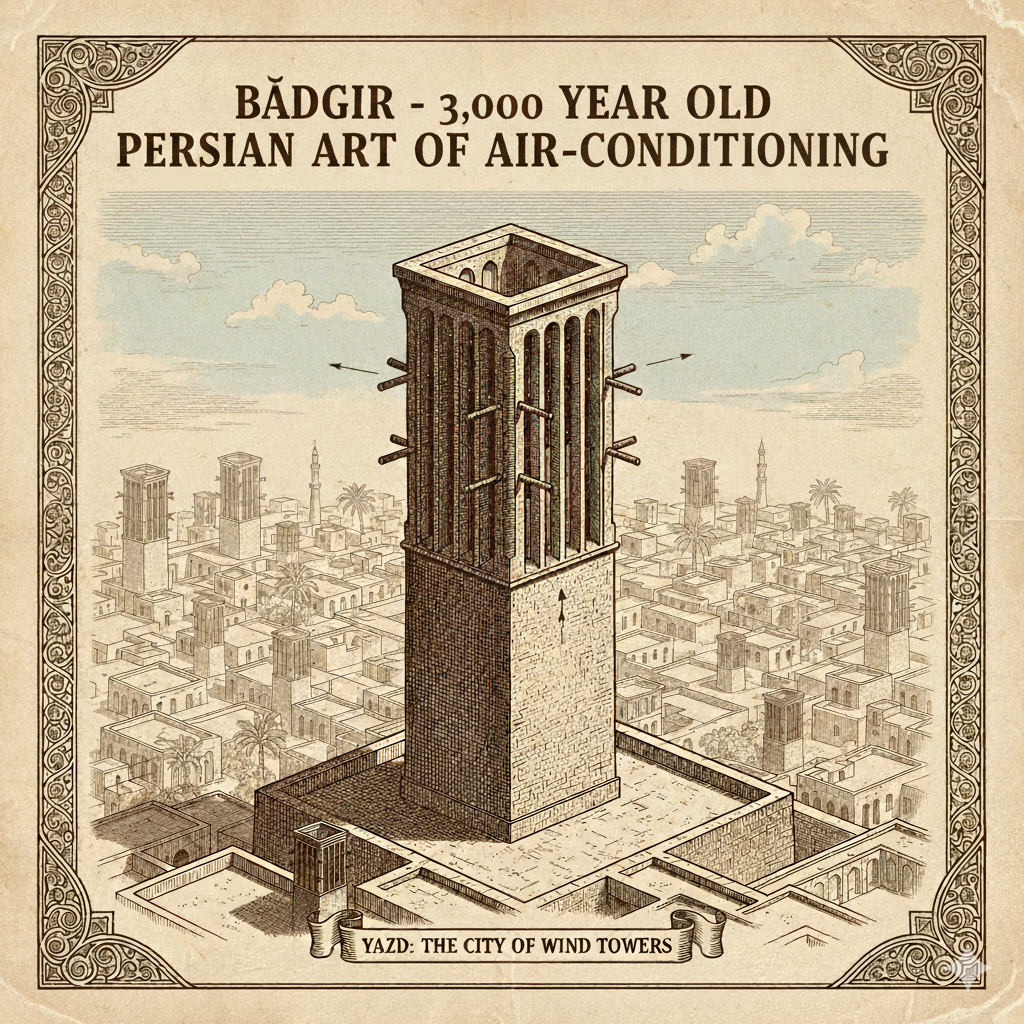
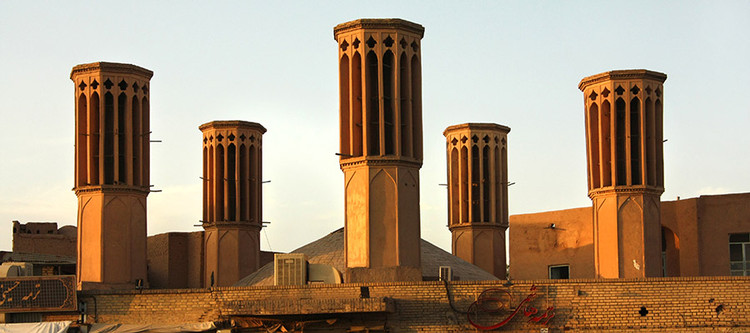
The secret rises above every rooftop:
a tower, tall and quiet,
with open mouths pointed toward the desert winds.
Visitors call them towers.
Locals call them tradition.
Engineers call them genius.
They are windcatchers — bâdgirs.
The earliest form of engineered climate control.
The First Lesson: If You Can’t Escape the Heat, Tame It
Imagine ancient Persian engineers staring at a desert where:
- water was scarce
- summers were brutal
- homes were clay and brick
- and the only free energy source was wind
But the wind itself was unpredictable —
sometimes gentle, sometimes violent,
sometimes carrying dust storms that could slice skin.
So they asked the question that changed desert architecture forever:
“What if we could persuade the wind, not fight it?”
Windcatchers were their answer.
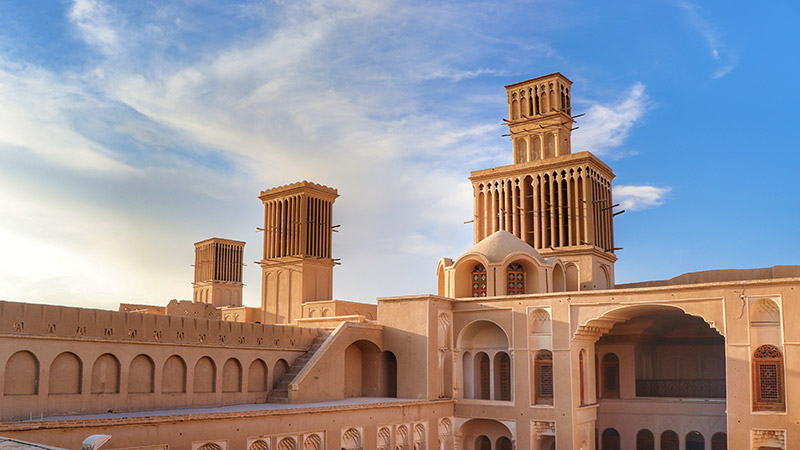
A vertical tower with openings oriented toward prevailing winds —
taller than rooftops,
shaped to guide the wind downward,
like a shepherd guiding a flock.
But how do you force air to move down when hot air always wants to rise?
That’s where the magic starts.
The Tower That Turned Wind Into a Liquid
A windcatcher is not a chimney.
It is an air-fluid machine.
Here’s how it works, hidden inside its simplicity:
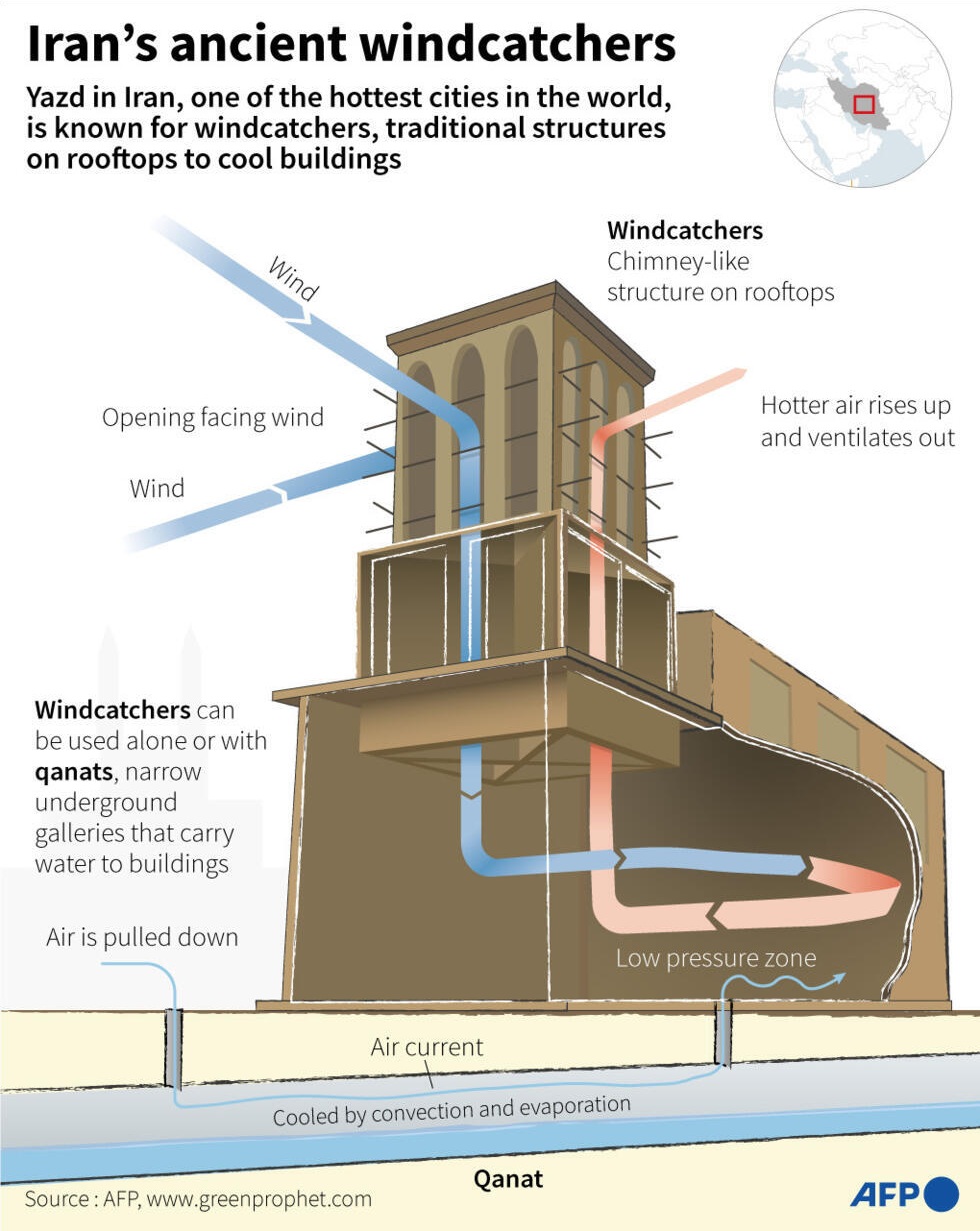
1. The wind hits the opening.
The tower mouth is always oriented toward the prevailing desert breeze.
2. Pressure difference does the trick.
The inside of the tower has lower pressure,
so the air is pulled in like water seeking a slope.
3. The air is forced downward.
Channel geometry accelerates flow
(the Venturi effect before Venturi existed).
4. The air hits a qanat — an underground water channel.
This is the real masterpiece.
The qanat water is ice cold,
because it travels underground from distant mountains.
When the dry desert air meets the cool qanat air:
- temperature drops
- moisture evaporates
- convection removes heat
- the air becomes dramatically cooler
Ancient Persia invented evaporative cooling
without machines,
without electricity,
with only physics and clay.
The cooled air is then guided horizontally
through underground channels
into the courtyard and living spaces.
Homes breathe.
Literally.
But What About Nights? The Windcatcher Has a Second Personality
Desert nights are cold.
The air outside becomes cooler than indoors.
Windcatchers reverse their behavior:
- warm indoor air rises
- the tower becomes a chimney
- hot air escapes upward
- cold night air is drawn in through lower vents
Modern HVAC systems call this “passive stack ventilation.”
Persians had it in 1000 BCE.
The Secret Weapon: Clay, Geometry, and Desert Wisdom
Windcatchers are not random.
They are carefully tuned machines.
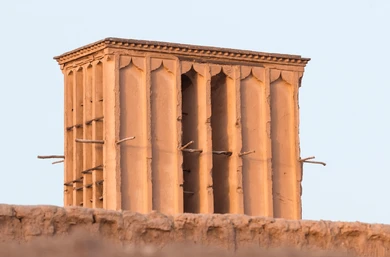
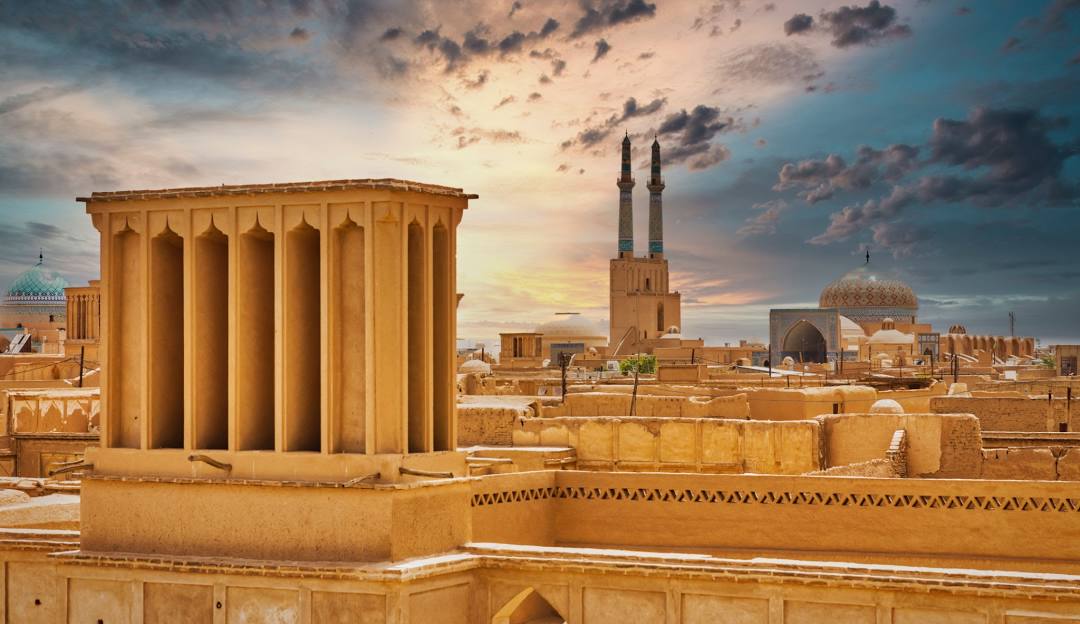
1. Multi-directional openings
Some towers have four open faces,
capturing wind from any direction.
Others have eight.
The city becomes a forest of tuned instruments,
each resonating with wind.
2. Height is engineered
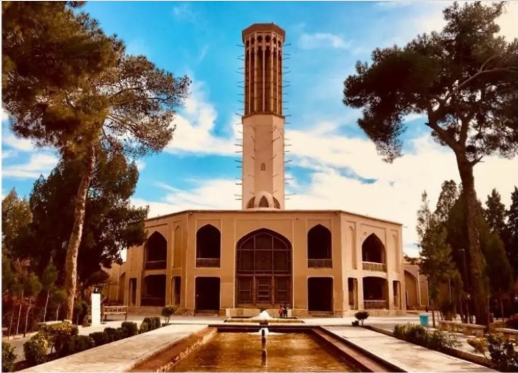
The taller the tower,
the stronger the pressure difference.
It forces wind deeper into the structure.
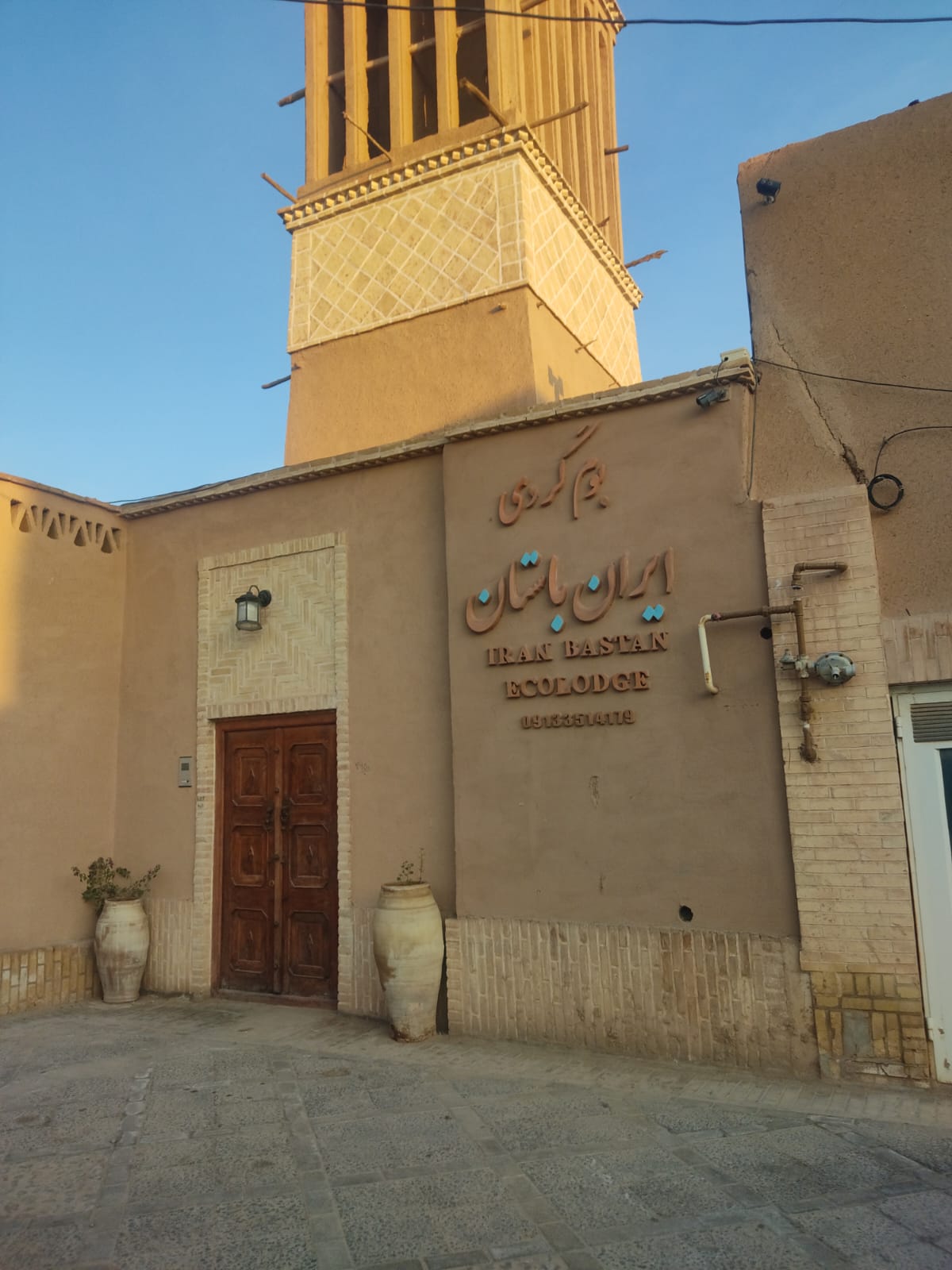
3. Mud bricks = insulation
Clay holds coolness,
protects against heat transfer,
and prevents temperature spikes.
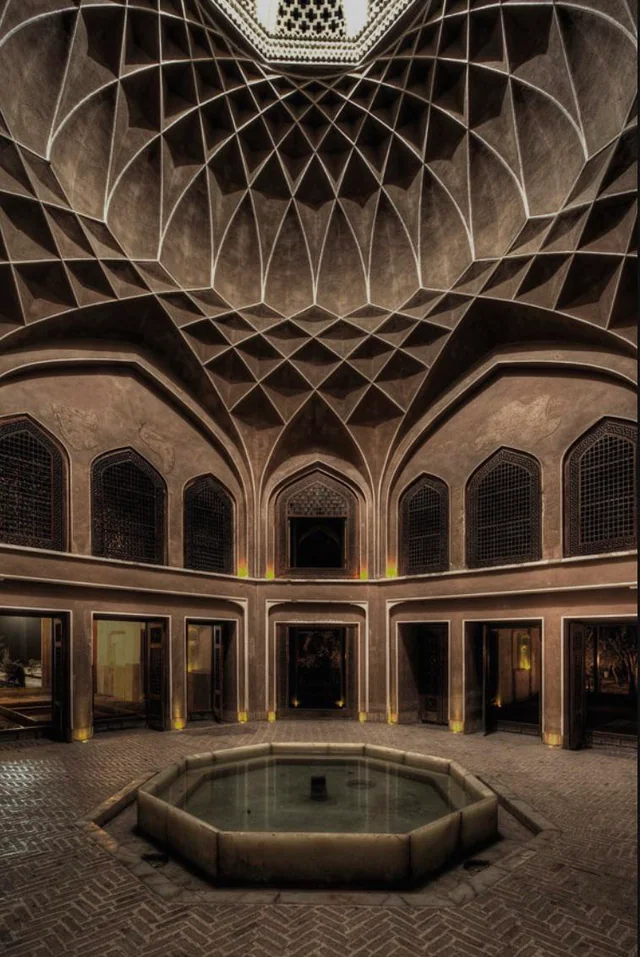
4. The inside is ribbed
These internal ridges slow hot air and speed cold air.
They are like aerodynamic vanes inside a turbine.
5. Orientation is not random
Windcatchers face the Shamal winds,
the only dependable cool breeze of the Persian plateau.
This is computational fluid dynamics
written in bricks.
A Tower That Could Survive for Centuries
Despite being made of mud,
many windcatchers are hundreds of years old.
Why?
Because they use:
- compression geometry (like Gothic arches)
- thick thermal mass
- self-shading surfaces
- wind-resistant openings
The desert destroys the careless;
it rewards those who adapt.
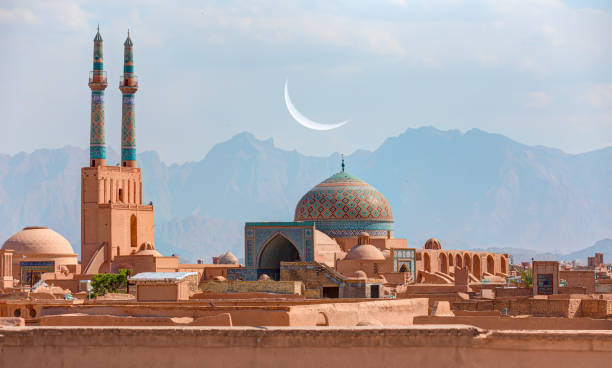
The City That Breathes
Walk into a Yazd home
and you will understand why UNESCO fell in love with the city.
The air feels alive.
Every courtyard is a lung.
Every windcatcher is a throat.
Every qanat is a heartbeat.
Together they form the oldest HVAC system in the world —
an interconnected, silent, zero-energy masterpiece.
Modern engineers build smart cities.
Persians built breathing cities.
At Kousain, We Call This the Science of Humility
Windcatchers remind us:
You do not need steel to be modern.
You need wisdom.
They are proof that sustainability is not a trend
but a rediscovery.
Yazd engineered cool air out of:
- wind
- clay
- water
- geometry
- pressure
- evaporation
- and intuition
They solved HVAC with nature, not against it.
The desert tried to suffocate them;
they built towers that inhaled the sky.
And that is why Yazd’s windcatchers remain
one of the most extraordinary pieces of engineering ever imagined.