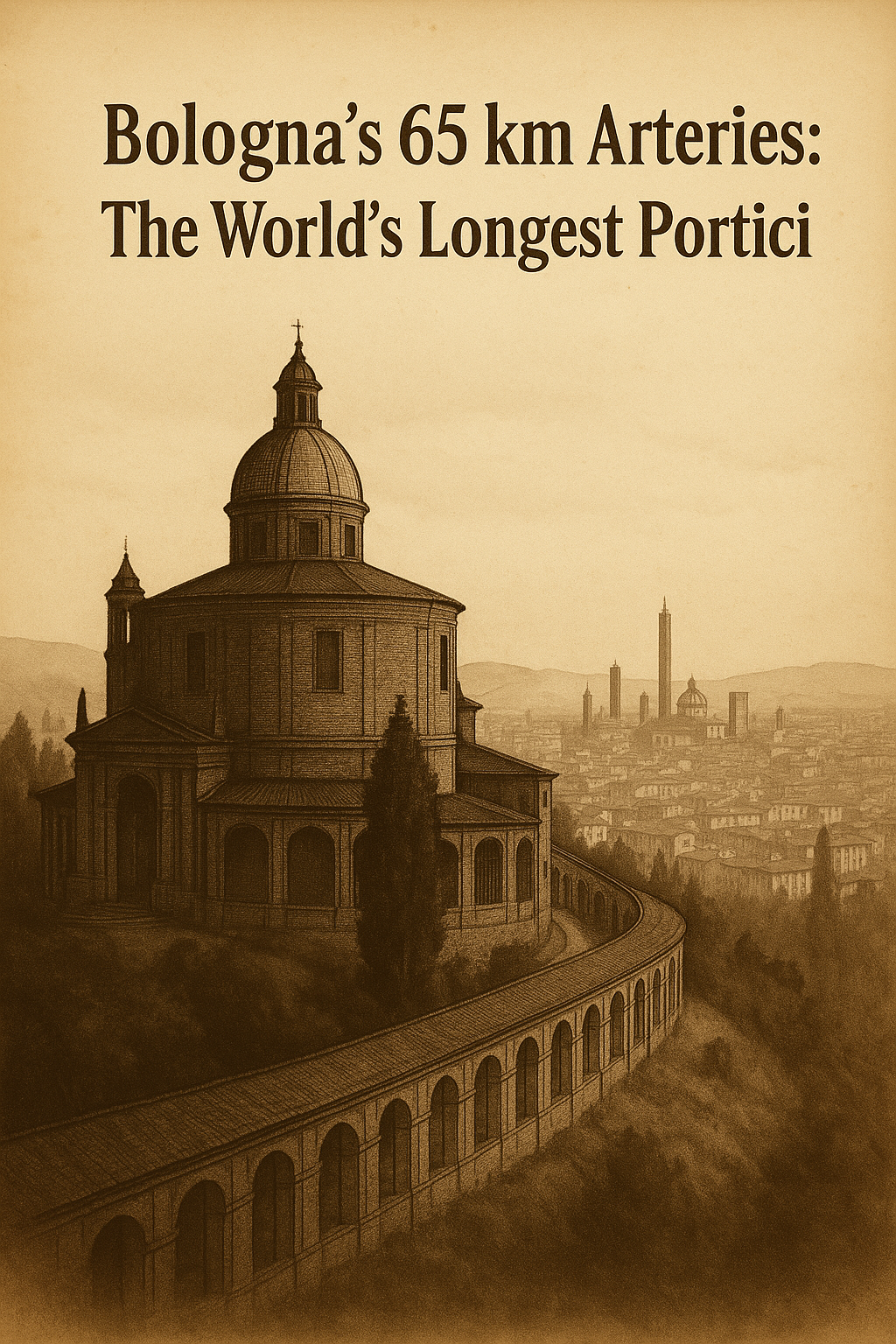
My Love for Bologna Wouldn’t Let Me Stop Writing
After finishing my blog about the Two Towers,
I thought I had finally told my Bologna story.
But if you live in Bologna long enough,
you realize the city isn’t made of buildings —
it’s made of layers.
And there was one layer I walked under almost every day:
the portici.
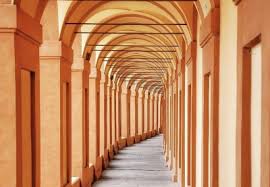
Forty kilometers of continuous arches,
the longest covered walkway system in the world.
They were the first thing that made me feel
like Bologna itself was guiding my steps.
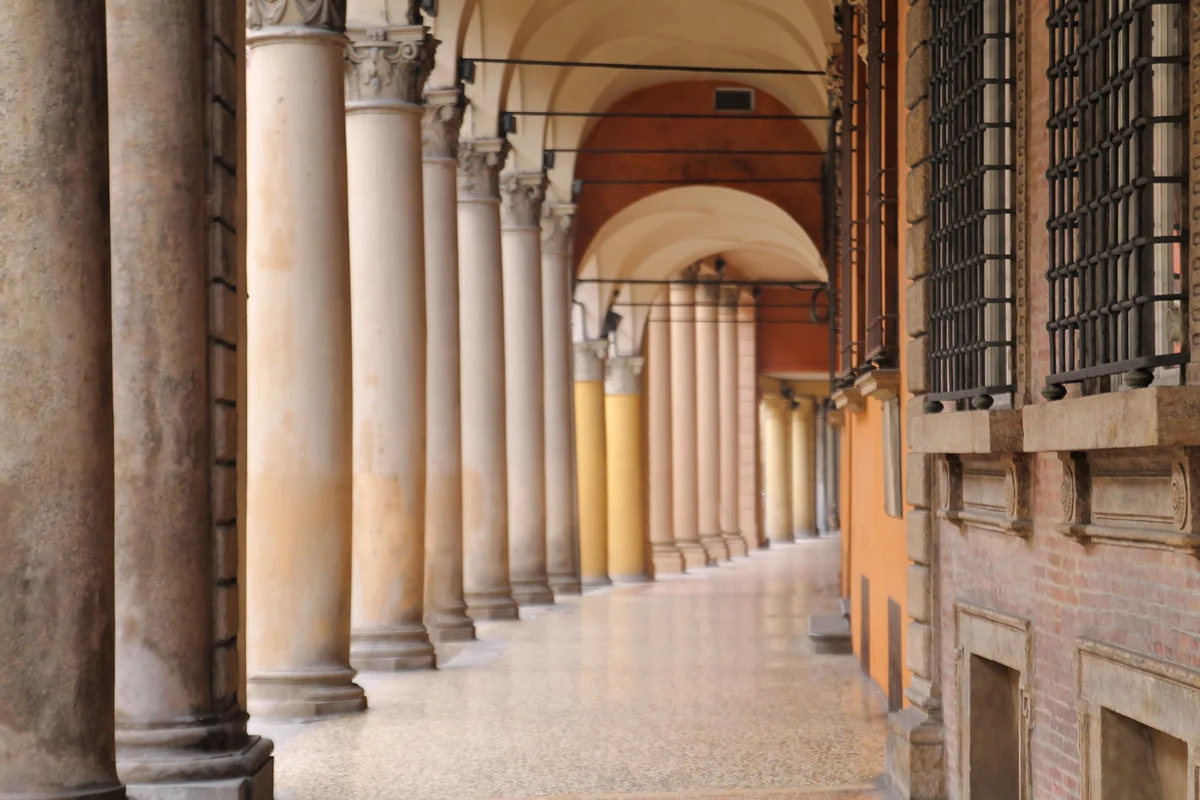
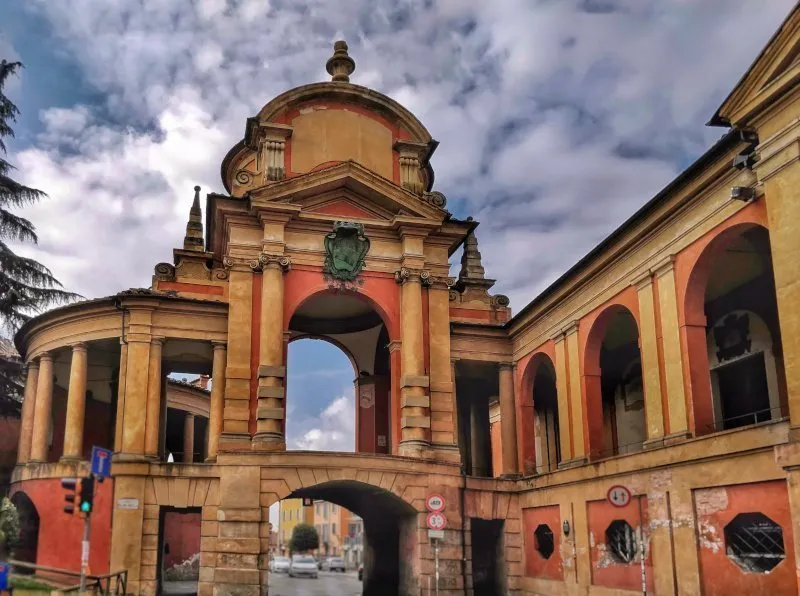
World’s Longest Continuous Portici – San Luca
Among all its porticoes,
one is not merely architecture —
it is ritual.
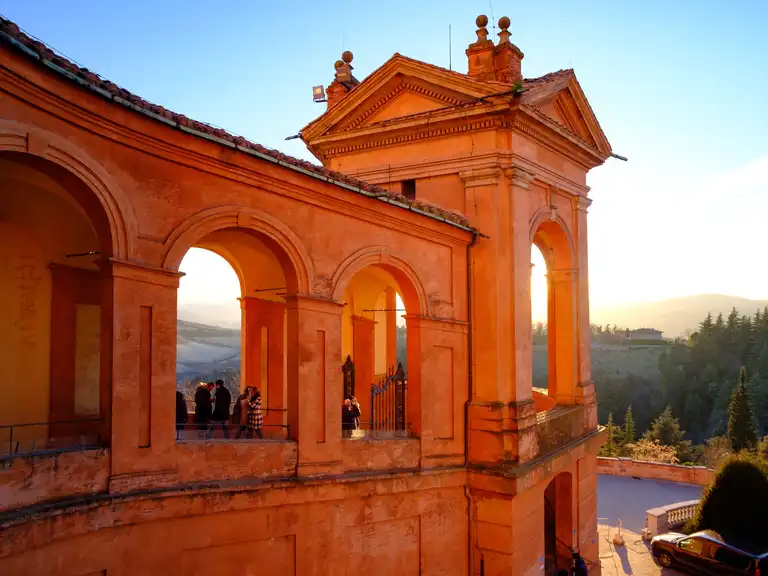
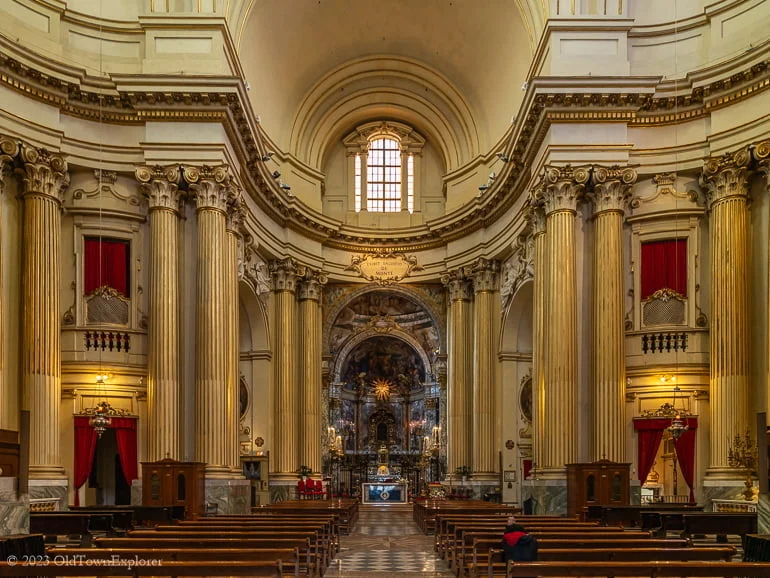
The Portico di San Luca,
with 666 arches,
stretching from the city to the hilltop Santuario della Madonna di San Luca.
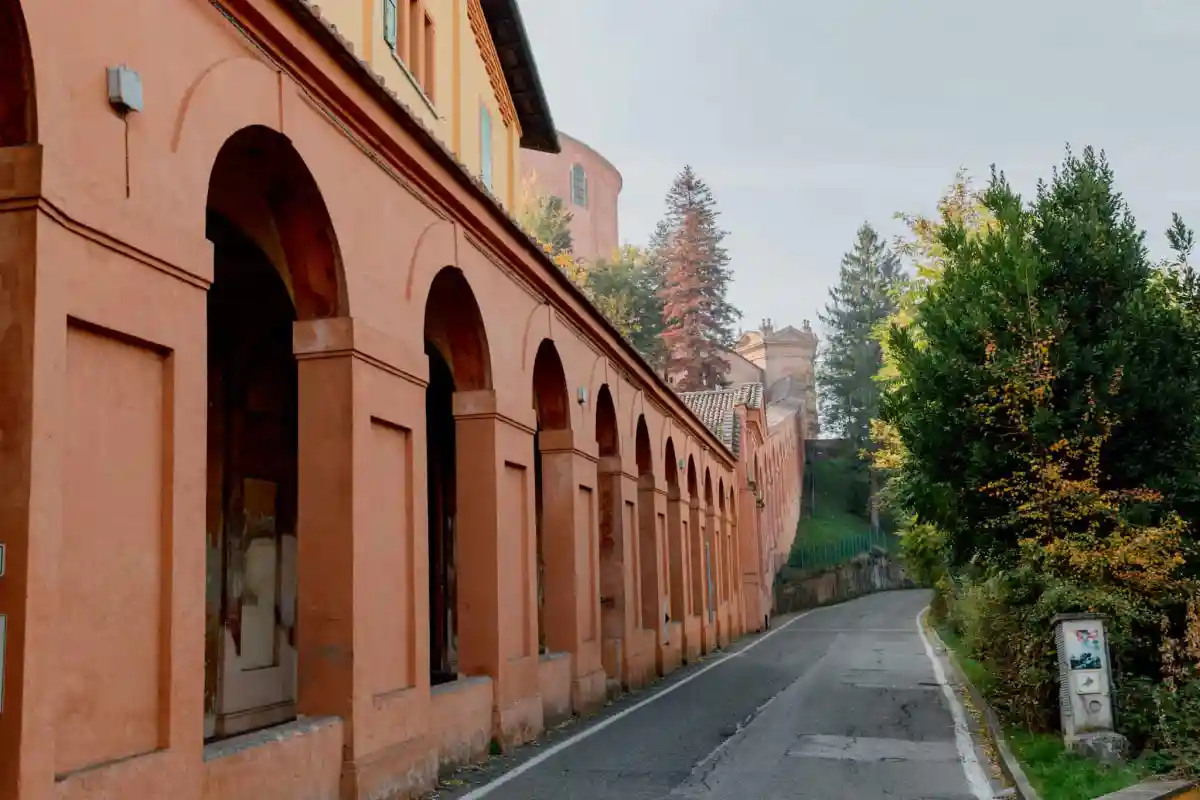
A continuous stone spine.
A structural rhythm you walk.
A continuous structural system
that runs through the city like arteries under skin. With San Luca being the vena cava.
As you climb, you pass the 15 “Misteri del Rosario” chapels,
each representing a stage from the life of Jesus and Mary —
joyful, sorrowful, and glorious mysteries.
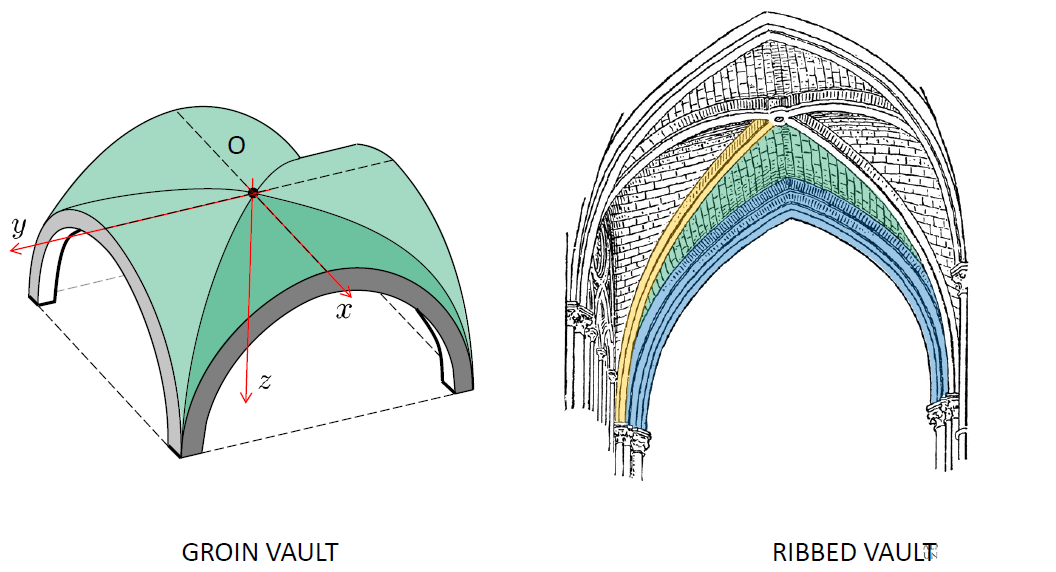
The chapels are placed not as decoration,
but as structural breaks,
interrupting and redistributing the lateral thrust of the vaults.
This is what makes the San Luca portico so brilliant:
It is half pilgrimage,
half engineering strategy.
And walking it as a civil engineering student
feels like reading a 4 km textbook carved in brick.
All together, Bologna’s portici stretch for 65 kilometers —
the longest covered walkway system on Earth.
It’s no surprise that in 2021,
UNESCO finally gave the portici what they deserved
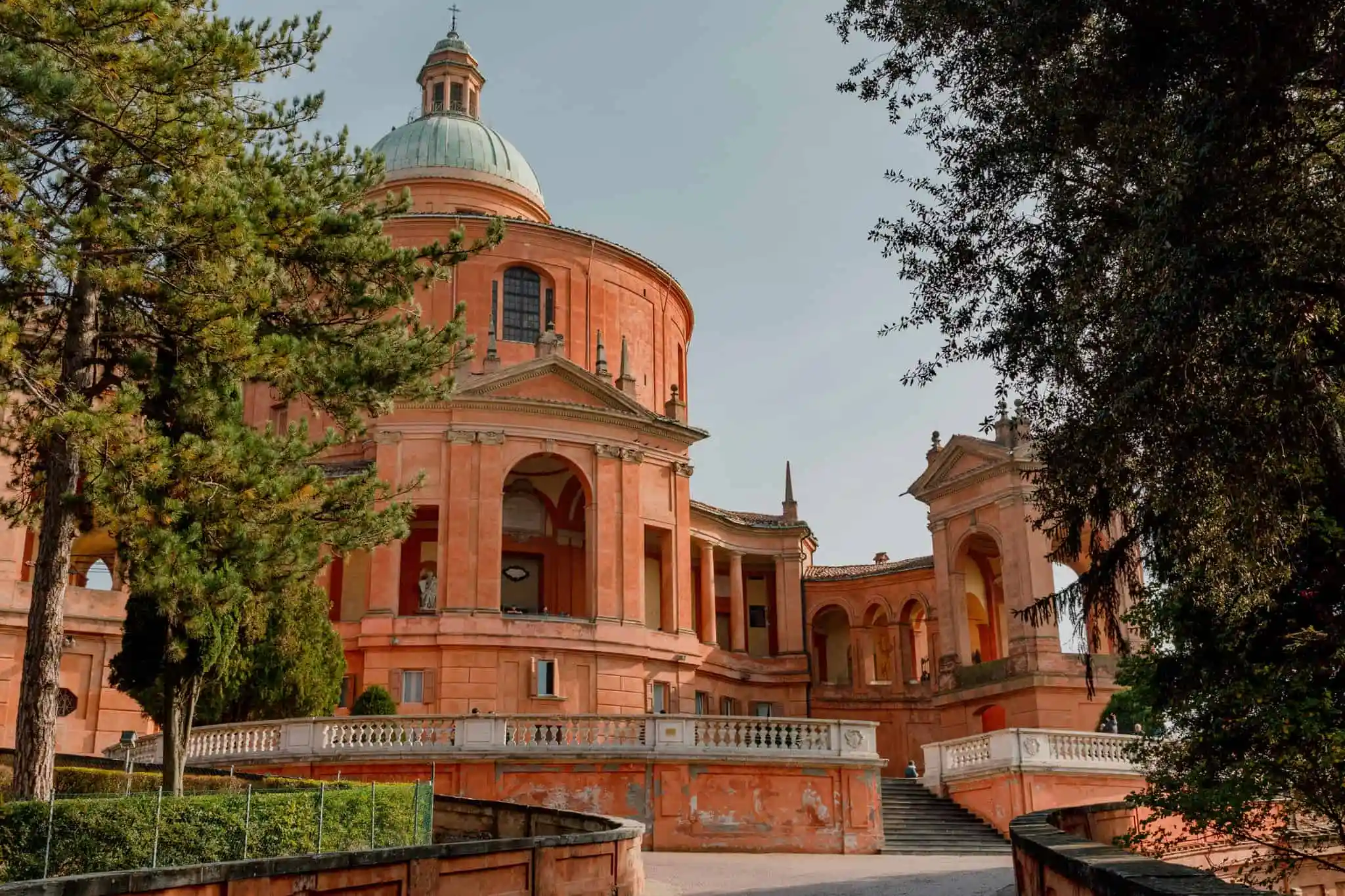
What These Arches Really Teach — The Mechanics Behind the Beauty
Every portico in Bologna, including San Luca,
is a living demonstration of classical structural mechanics.
Here’s what I learned —
not in class,
but by walking under 40 km of vaults:
1. Masonry Vaults Are Pure Compression Machines
The arches stand because:
- gravity pushes down
- masonry pushes sideways
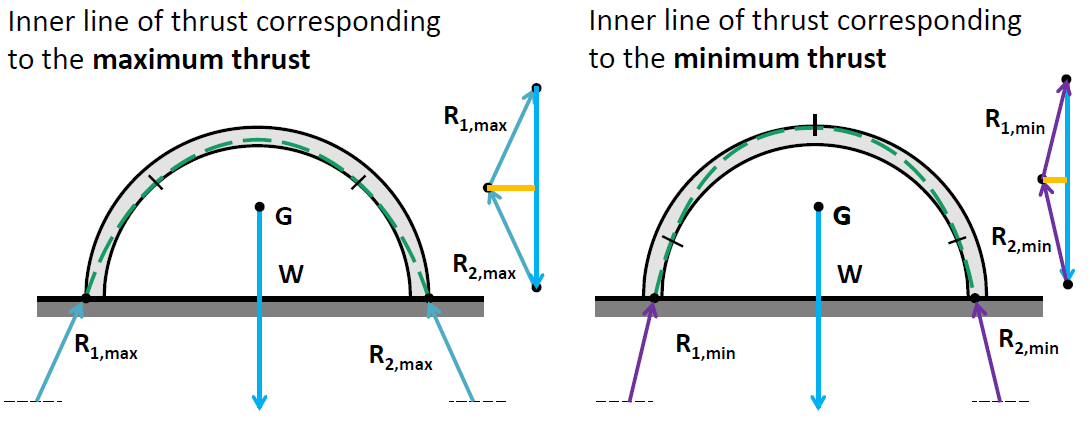
- the thrust line stays inside the material (theoretical line of compressive forces within arch)
If the thrust line strays outside the geometry → collapse.
If it remains inside → stability.
Walking under Bologna’s porticoes is like walking under hundreds of perfect thrust lines.
2. The Portico Is a Single Continuous Structural System
Most people think each arch is independent.
Wrong.
The arches are interlocked:
- one pushes
- the next resists
- the thrust travels horizontally
- the columns transmit load vertically
This creates a force chain across kilometers.
In engineering terms:
The portico behaves like a giant, distributed load-sharing system.
3. The San Luca Portico Uses the Hill as a Structural Partner
As the portico climbs:
- the slope increases
- the horizontal thrust grows
- the columns shorten
- the vault geometry changes
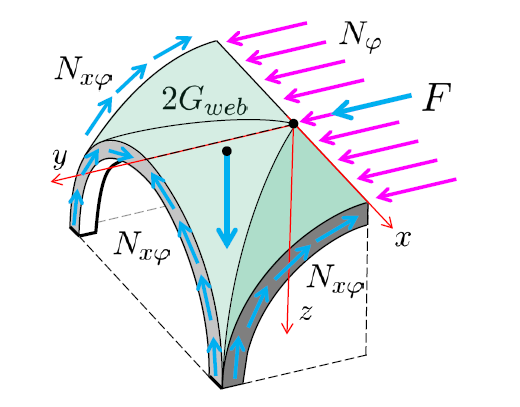
To keep stability, the architects used:
- variable span lengths
- changing arch heights
- embedded retaining walls
- periodic stiffening chapels (the “mysteries”)
The hillside is part of the structure.
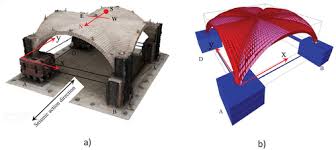
4. Earthquakes and Time Tested It — and It Passed
Bologna is in seismic Zone 2.
Yet these vaults survived:
- centuries of shaking
- settlement
- consolidation
- atmospheric erosion
Why?
Because masonry vaults have:
- redundancy
- self-adjusting thrust paths
- natural hysteretic damping
- minimal tensile reliance
They are nature-approved structures.
5. Repetition Isn’t Decoration — It’s Stability
The repeating arches create:
- uniform load distribution
- predictable thrust patterns
- equalized settlement behavior
- reduced differential movement
Repetition is not aesthetic.
It’s engineering.
What the Porticoes Really Taught Me About Engineering
During my master’s at UniBo,
I learned the theory of arches and vaults —
thrust lines, stability envelopes, compression behavior.
But walking under Bologna’s porticoes every day
taught me something the classroom never could.
The porticoes showed me that stability is a conversation,
not a fixed condition.
Each arch pushes.
The next one resists.
The entire sequence balances itself—
a chain of forces that survives because every part plays its role.
They taught me that geometry can be stronger than material,
that repetition creates reliability,
and that continuity — arch after arch after arch —
is what gives a structure the ability to age gracefully.
Most of all, they taught me that the best engineering
is not loud or flashy.
It is quiet.
Predictable.
Honest.
Like Bologna’s arches.
These porticoes didn’t just shelter me as a student —
they sharpened the way I understand structures.
Why This City Still Walks With Me
Every time I design at Kousain:
- a retaining wall
- an archway
- a basement system
- a vault
- a long corridor
- a repetitive-frame structure
some part of my mind returns to those arches.
To the rhythm.
The logic.
The stability.
The structural honesty of Bologna.
This city didn’t just give me a degree.
It gave me intuition.
And intuition makes an engineer
more than equations ever could.